Public Land vs. Leasing Private Ground: What’s Actually Worth It
Every serious whitetail hunter hits this fork in the road eventually. You’ve killed a few decent bucks, you’ve read enough forums to know the terminology, and now you’re staring at a real decision: keep grinding public ground, or start writing checks for a lease. I’ve done both, for years at a stretch, and I’ll tell you right now — there isn’t a clean answer. Anyone who tells you leasing is always better, or that public land is a sucker’s game, hasn’t actually hunted enough of either.
What I can tell you is where the real value sits, because it’s rarely where people assume. Money spent doesn’t automatically translate to inches of antler. And free access doesn’t automatically mean crowded, pressured, dinked-up deer. The truth lives in the details — how you scout, how you manage pressure, and whether you’re honest with yourself about what you’re actually buying.
Let’s break down what each option really costs, what it actually delivers, and where hunters torch money or opportunity chasing the wrong one.
The Real Cost of Leasing (It’s Not Just the Check)
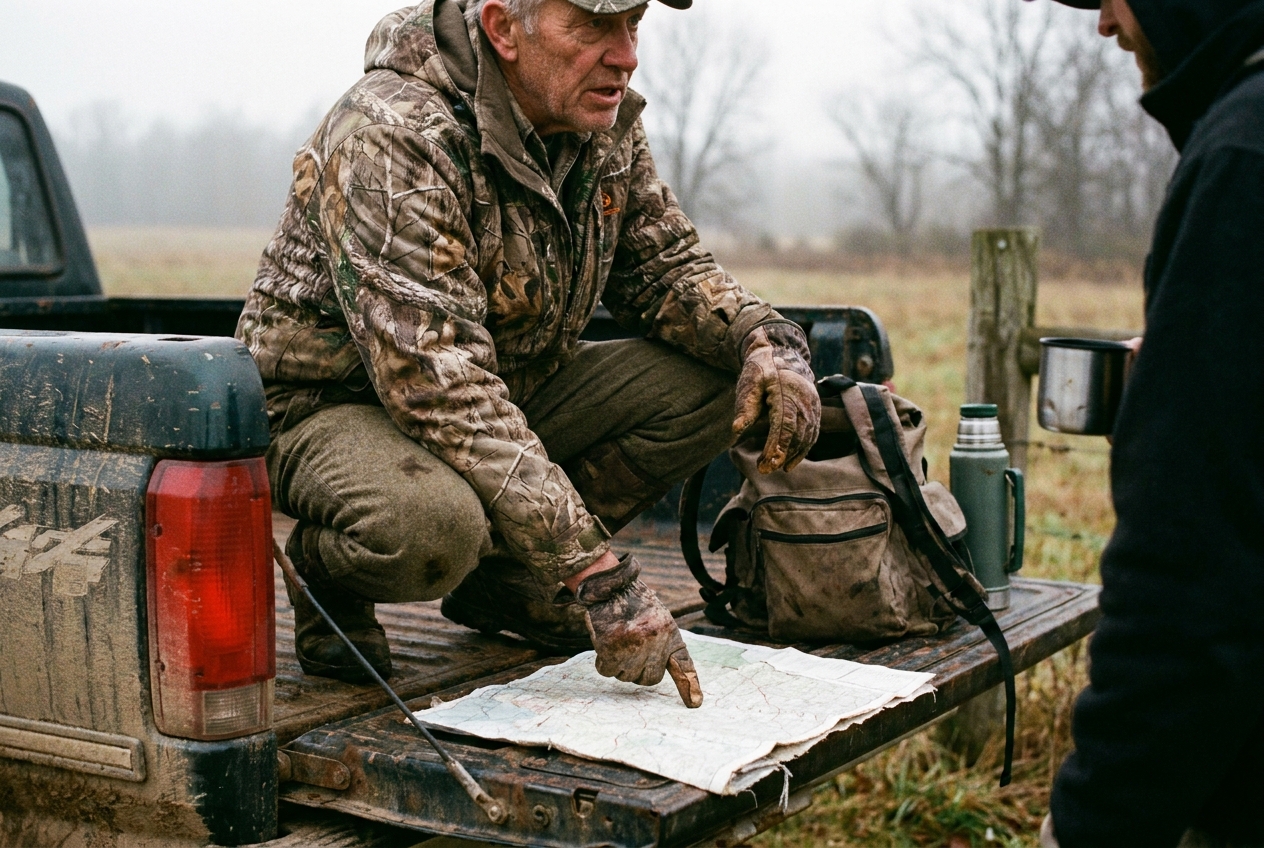
A hunting lease looks simple on paper. You pay a landowner a per-acre rate, sign an agreement, and you’ve got exclusive access. Depending on region and habitat quality, that rate can run anywhere from $8 an acre in marginal Midwest row-crop country to well over $30 an acre in prime Southern timber with established food plots and a track record of mature bucks. On a 200-acre parcel, that’s a swing from $1,600 to $6,000 a year before you’ve planted a single seed or hung a single stand.
But the sticker price is only half the equation. Real lease costs include equipment you now feel obligated to buy — a tractor or ATV with implements, seed, lime, fertilizer, trail cameras by the dozen, maybe a cabin or a camper shell parked on-site. I’ve watched guys sink four figures into food plot inputs on a lease they didn’t renew the following season because the landowner sold the farm out from under them. That’s the risk nobody talks about at deer camp: you don’t own anything. A lease is a rental agreement, and rental agreements end.
There’s also the liability piece and the relationship piece, which matter more than most first-time leasers expect. You’re now managing a working relationship with a landowner who may or may not honor a handshake deal past year one. I leased a 160-acre parcel in west-central Illinois for three seasons, poured real money into a rotation of clover and brassica, and had the landowner’s son decide he wanted to hunt it himself in year four. No contract violation — I just hadn’t locked in a multi-year written agreement, because I was naive enough to think a good relationship was enough. It wasn’t. That mistake cost me the best piece of ground I’ve ever hunted, and it taught me to never again hand over money without ironclad terms on the table.
What Public Land Actually Gives You
Public land isn’t free in the way people think. You pay for it every year in license and habitat stamp fees, and in most states that money is doing real conservation work — funding the same habitat improvements and deer research that eventually benefit private ground too. The National Deer Association has been vocal about this for years: public land access and healthy deer herds are directly tied to hunter-funded conservation dollars, not landowner generosity.
The difference is you’re not paying for exclusivity. You’re paying for the right to compete for space with every other hunter in the state who has a truck and a tag.
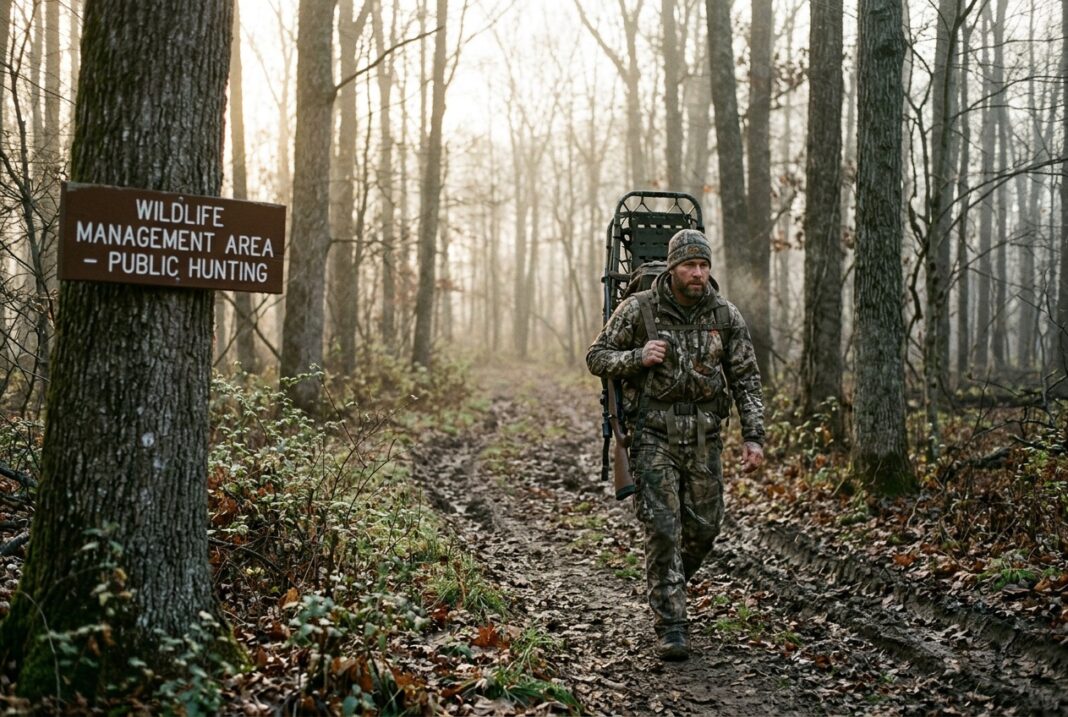
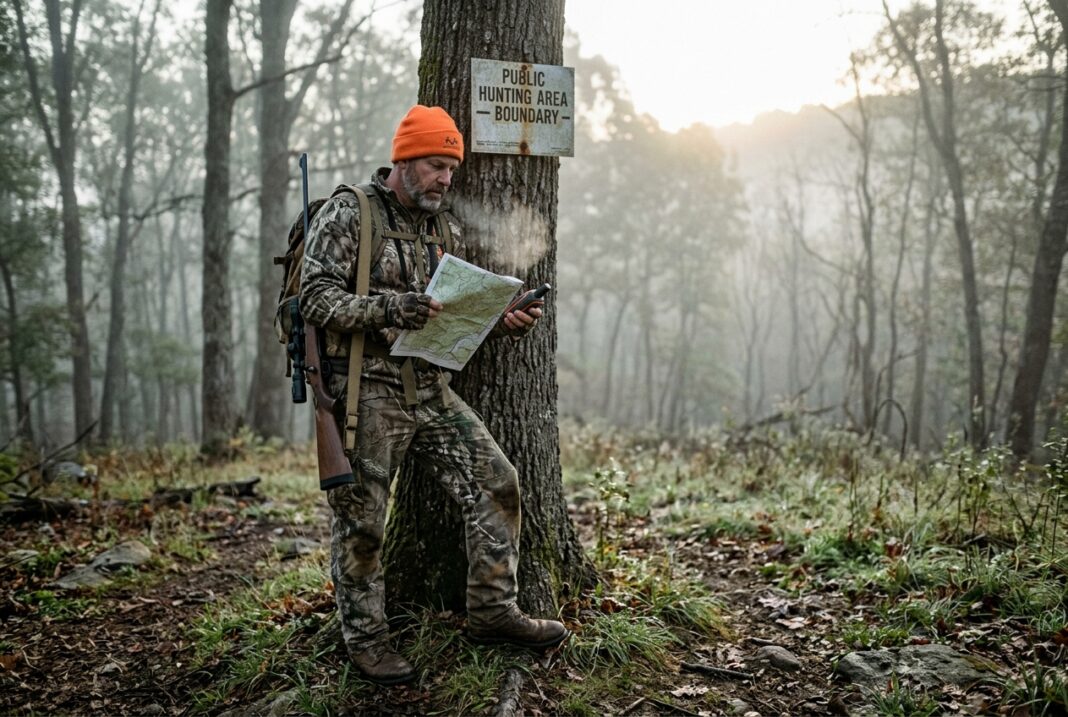
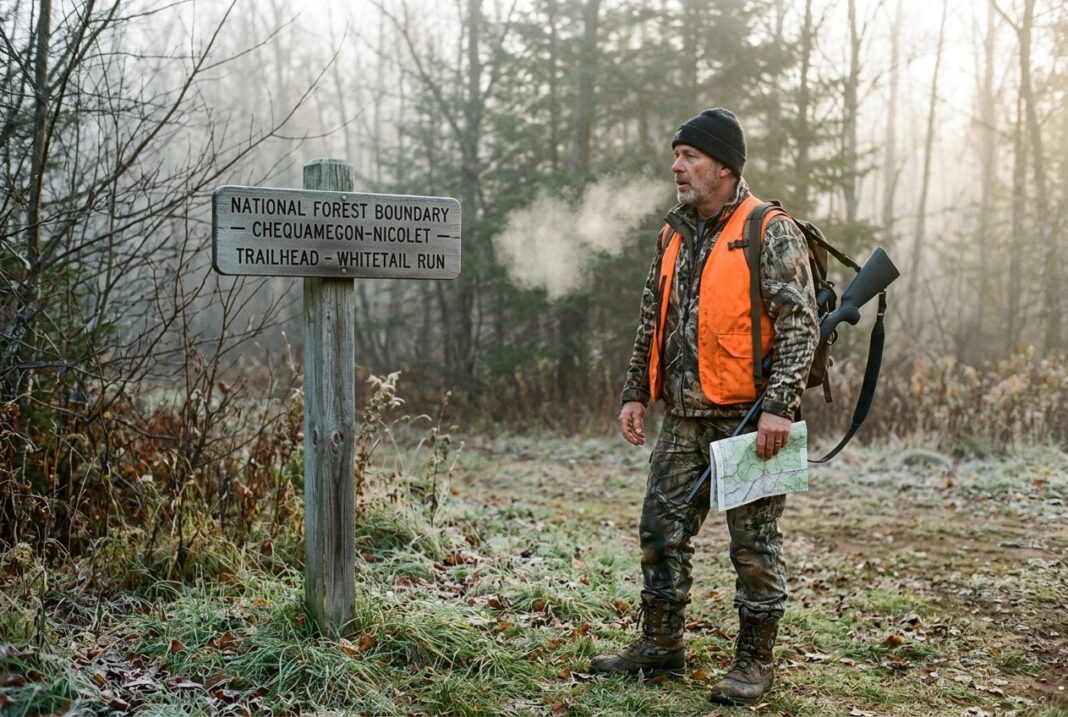
That competition is real, and it’s the single biggest reason hunters bail on public ground too early. But it’s also wildly overstated by people who never leave the parking lot. Most public land pressure concentrates within a half-mile of any road or trailhead. Push a mile in — genuinely a mile, not a “I walked pretty far” mile — and pressure drops off a cliff on most tracts over a few thousand acres. National forest ground, in particular, rewards this. The U.S. Forest Service manages millions of acres open to hunting nationwide, much of it rugged enough that ninety percent of hunters never bother going deep.
State wildlife management areas are a different animal entirely, and they vary wildly by state. Some are glorified parking lots with a trail system. Others are legitimately massive, well-managed tracts with active timber rotation and food plot programs run by state biologists. Before you write off public land in your state, actually pull up your state agency’s land database. I’ve had hunters tell me their state “has no good public ground” when they’d never once looked past the three WMAs closest to their house.
Pressure Management Is the Real Skill Gap
Here’s the uncomfortable truth: the difference between a guy who kills mature bucks on public land every year and a guy who gets skunked isn’t the land. It’s pressure management. Leased ground gives you the luxury of controlling entry and exit routes, hunting the same stand repeatedly without burning it out, and leaving scent and noise disturbance minimal because you’re the only variable in the equation. Public land takes that luxury away entirely. Every hunter before you has already educated that deer population to some degree.
What separates the hunters who consistently score on public ground is ruthless discipline about entry timing, wind, and stand rotation. They treat every sit like it’s their only chance to hunt that spot clean. They scout in the off-season using aerial imagery and boots-on-ground verification rather than relying on trail camera inventories that get raided or stolen. They accept that a spot might only produce for two or three sits before it needs to rest. That’s a completely different mental game than leased-ground hunting, where you can afford to be a little sloppy because nobody else is pressuring your deer.
I’ll say this bluntly because it needs saying: a lot of hunters who complain about public land failing them are actually failing at woodsmanship. They’re hunting it like it’s their family farm — same stand, same access route, same time of day, week after week. That approach gets you burned on private ground eventually too. It just gets you burned faster on public.
Where Leasing Genuinely Wins
I’m not going to pretend leasing doesn’t have real advantages, because it absolutely does, particularly for hunters chasing consistency and mature deer over multiple seasons. Exclusive access means you can implement actual herd and habitat management — controlling buck-to-doe ratios, letting young bucks walk with confidence they’ll be there in two years, running a real QDM program with food plots timed to your hunting calendar instead of someone else’s schedule.
Leasing also wins on time efficiency. If you’ve got a demanding job and twelve hunting days a year, you don’t have the bandwidth to scout three thousand acres of public ground looking for sign. A well-vetted lease with known deer history lets you maximize limited time in the stand rather than burning half your season on reconnaissance. For hunters with money but limited time, that trade makes total sense.
Where leasing falls apart is when hunters treat it as a guarantee rather than an investment that requires the same scouting and management rigor as anything else. I’ve seen leased ground hunted worse than public land because the owner assumed exclusivity would do the work for him. It won’t. A lease buys you control over pressure and access. It does not buy you deer.
The Hybrid Approach Nobody Talks About Enough
The smartest hunters I know don’t pick one side of this argument — they run both simultaneously. A modest lease or small owned parcel for consistency and management, paired with aggressive public land scouting for rut-phase mobility and access to bigger, wilder terrain than most private ground offers. This isn’t just anecdotal; it reflects how a lot of serious deer hunters are actually allocating their hunting budget and time across the season.
Public land also gives you something leased ground rarely can: scale. A 40,000-acre national forest tract lets you chase rutting bucks across drainages and elevation changes that no 200-acre lease can replicate. That’s real habitat diversity, and it matters more during the rut than most people give it credit for. Bucks cruising for does don’t respect property lines, and a hunter locked into one small leased parcel can watch a giant walk the fence line onto ground he’ll never touch.
Before committing serious money to a lease, spend a season or two hammering public ground hard in your target area. Learn what the deer density and age structure actually look like using your state agency’s harvest data — most states publish this, and it’s a far better predictor of quality than word-of-mouth. It’