Cellular Trail Cameras: What Actually Holds Up in July Heat
I pulled a camera card two weeks ago and found the SD slot corroded shut from condensation, three months of velvet buck photos gone because I trusted a cheap camera through a Wisconsin summer. That’s the kind of mistake that sticks with you. Cellular trail cameras have gotten better every year, but July heat and humidity separate the ones that work from the ones that just look good on a shelf at the sporting goods store.
Are cellular trail cameras worth it for summer scouting?
Yes, if you’re patterning bachelor groups without walking your property every week and blowing deer off the food source. The whole point right now, mid-July, is watching antler development and travel patterns without adding human scent to bedding areas during the most sensitive stretch of summer.
I ran four different cellular units on two properties starting in May. Two of them sent clear daytime velvet photos consistently. One dropped connection for stretches of a week at a time for no reason I could find. That inconsistency costs you more than money — it costs you the whole point of going cellular in the first place, which is staying out of the woods.
What actually kills cellular camera performance in summer?
Heat and moisture, not signal strength, are what take these cameras down. Humidity gets into housings that aren’t sealed as well as advertised, and battery drain accelerates badly once daytime temps sit in the 90s for a stretch.
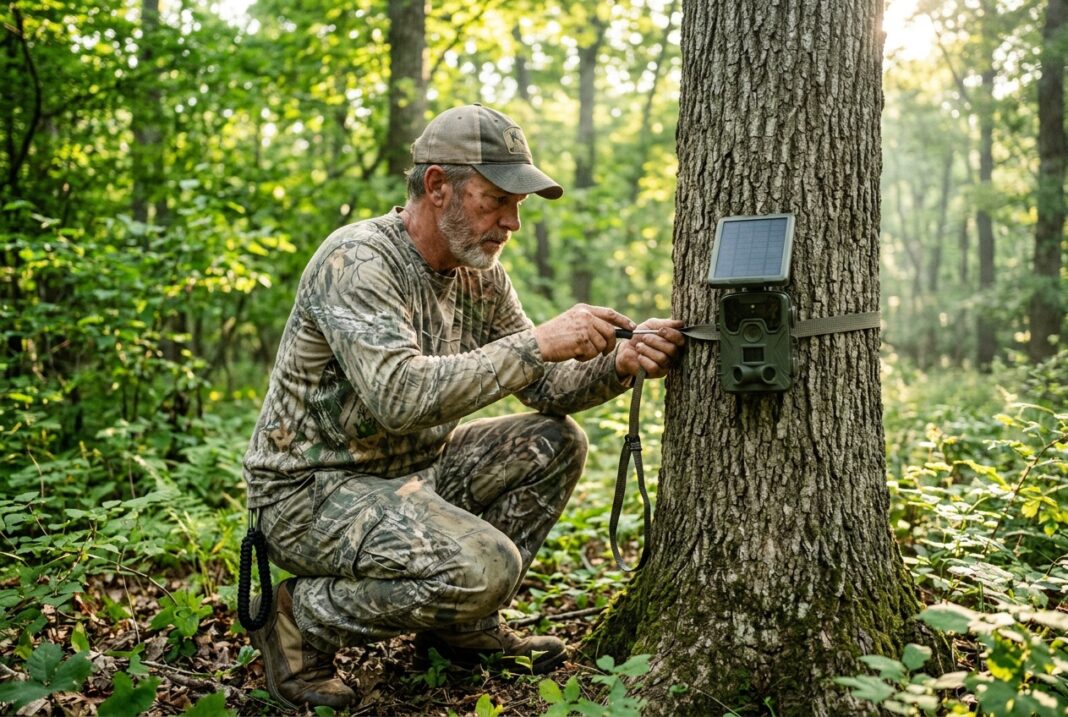
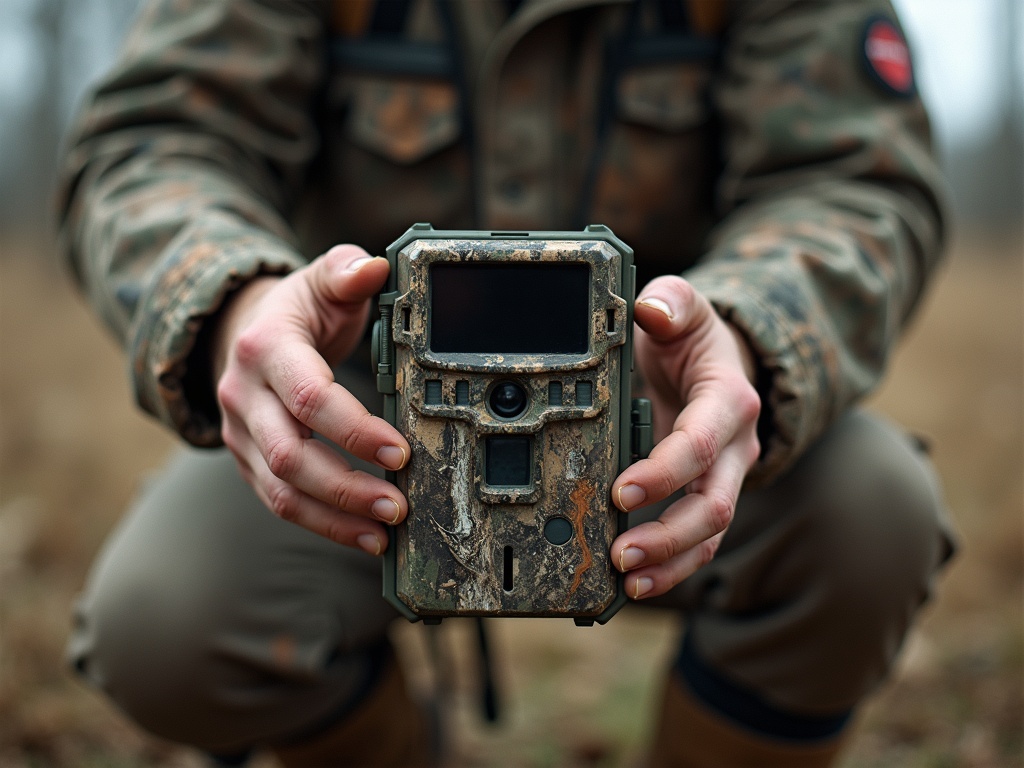
I lost most of a month of data on one camera because the battery tray gasket had shrunk just enough to let moisture creep in — not flooded, just enough to corrode the contacts. Cheaper units with plastic latch systems seem worse for this than ones with a rubber gasket seal, and I’ll say plainly: spend the extra thirty or forty dollars on a unit with a real weatherproof seal, because a camera that fails silently in July is worse than no camera at all. The National Deer Association has published good field guidance on non-invasive summer scouting, and cellular cameras only deliver on that promise if the hardware actually survives the season.
How do I get better battery life out of a cellular trail camera in summer heat?
Lithium batteries outperform alkaline in heat by a wide margin, and cutting your photo delay down actually helps battery life more than people expect, because fewer triggers on high-traffic trails means less transmission load.
- Switch to lithium AA batteries before summer even starts — alkaline sags fast once temps climb past 85 degrees.
- Set a five to ten minute delay between triggers on food plots or trail intersections instead of the factory default.
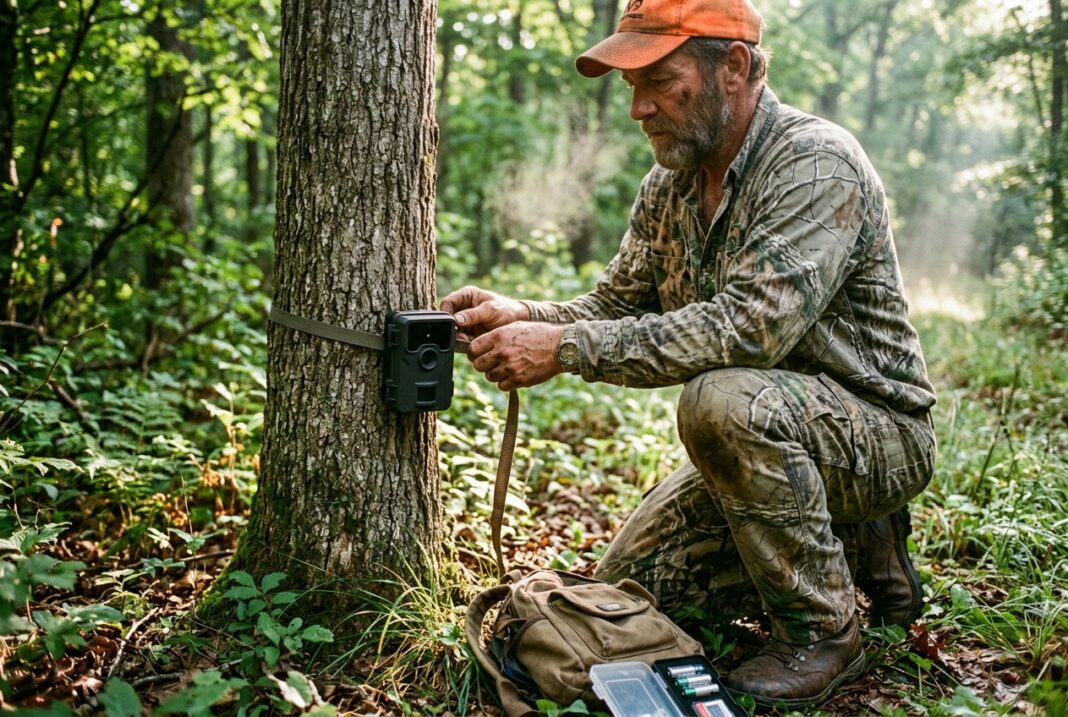
- Mount cameras facing north or east where possible to avoid direct afternoon sun cooking the housing.
- Check signal strength on the app before you commit to a spot — a camera fighting for signal burns through batteries fast trying to transmit.
Which trail camera features actually matter versus marketing hype?
Detection speed and image clarity in low light matter far more than resolution numbers printed on the box, and most hunters get talked into paying for megapixels they’ll never notice in a 4×6 photo on their phone.
I’ve run cameras claiming 32 and 36 megapixels that produced blurrier daytime photos than a basic 20 megapixel unit with a better lens. That’s marketing, plain and simple. What actually matters is trigger speed under half a second, decent night image quality without a washed-out flash, and a data plan that doesn’t nickel-and-dime you every time a squirrel sets off the camera. For a breakdown of camera placement strategy that doesn’t waste your data allotment, QDMA’s scouting resources are worth reading before you buy anything.
Final Word
- Buy lithium batteries now, not after the first camera dies in August heat.
- Prioritize sealed housings over megapixel counts when comparing units.
- Set trigger delay to five or ten minutes on high-traffic trails to save battery and data.
- Check your card slots and battery contacts for corrosion every time you swing by, cellular or not.
Go check your cameras today, not this weekend. Pull the battery tray, look for any moisture film on the contacts, and swap to lithium if you haven’t already — that one fifteen-minute check just saved me a month of missed velvet photos I can’t get back.