Public Land vs. Leasing Private Ground: What’s Worth It
Every deer season, the same argument breaks out in duck blinds, tree stands, and Facebook comment sections: should you grind it out on public ground or bite the bullet and lease private acreage? I’ve done both, sometimes in the same week, and I’ll tell you right now there’s no universally correct answer. There’s only the correct answer for your budget, your schedule, and how much pressure you can stomach.
This isn’t a “public land is for suckers” or “leasing is for rich guys” piece. It’s a real breakdown of what each option costs you, what it gives back, and where hunters consistently talk themselves into bad decisions. I’ve made a few of those bad decisions myself, and I’ll own up to at least one of them here.
The Real Cost of “Free” Public Land
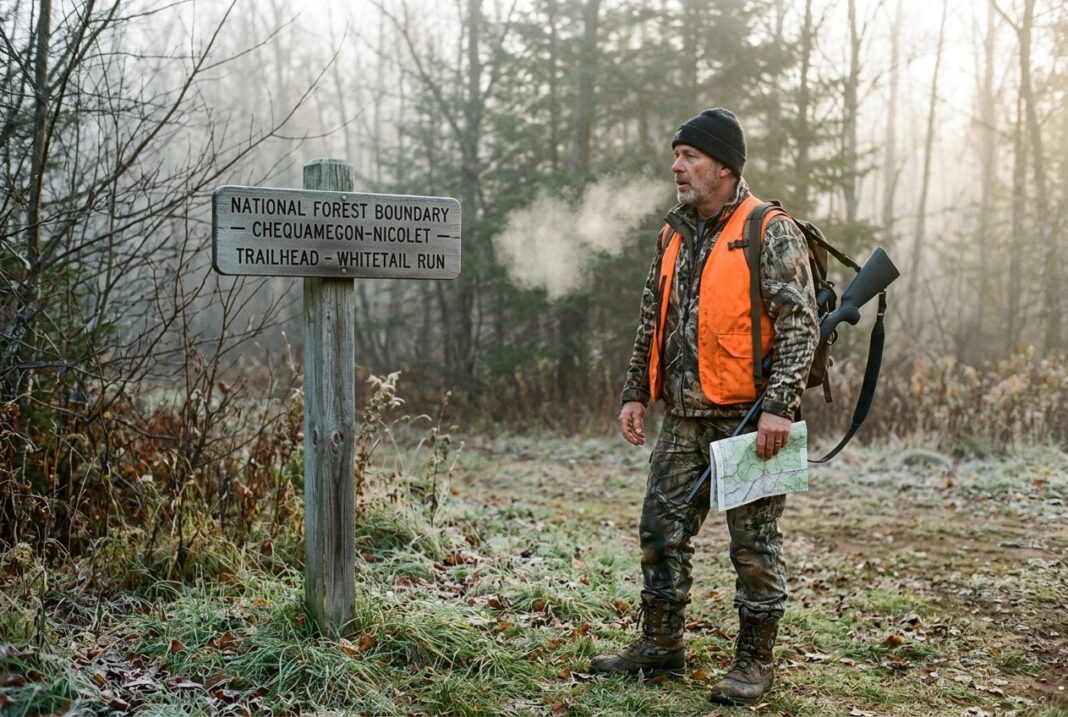
Public land doesn’t cost you a lease check, but don’t kid yourself into thinking it’s free. You pay in scouting hours, gas money, and the emotional tax of watching another truck pull into “your” trailhead before shooting light. Millions of acres are technically open to hunters through state wildlife management areas, national forests, and BLM-managed ground, but “open” and “huntable” aren’t the same word.
The good public spots — the ones holding mature deer and actual solitude — take years to find. You’re competing with every other hunter who owns a truck and a map app, and in many states that competition has gotten worse, not better, as private leasing has locked up more ground. The National Deer Association has tracked this shift for years: as private leasing expands, public land absorbs more hunting pressure per acre, which changes deer behavior and shortens the window when daylight movement is predictable.
That pressure isn’t hypothetical. I hunted a chunk of state forest in my home state for four seasons before I found a pinch point that consistently produced. It wasn’t luck. It was four years of getting outworked by nobody, hiking further than the next guy, and accepting that my “honey hole” would get discovered eventually anyway. That’s the public land tax — time, not money.
What You’re Actually Paying For With a Lease
Leasing private ground flips the equation. You’re trading cash for control. A good lease buys you exclusivity, the ability to manage deer age structure, food plots planted exactly how you want them, and stands hung without worrying about someone bumping your setup two days before the rut kicks off.
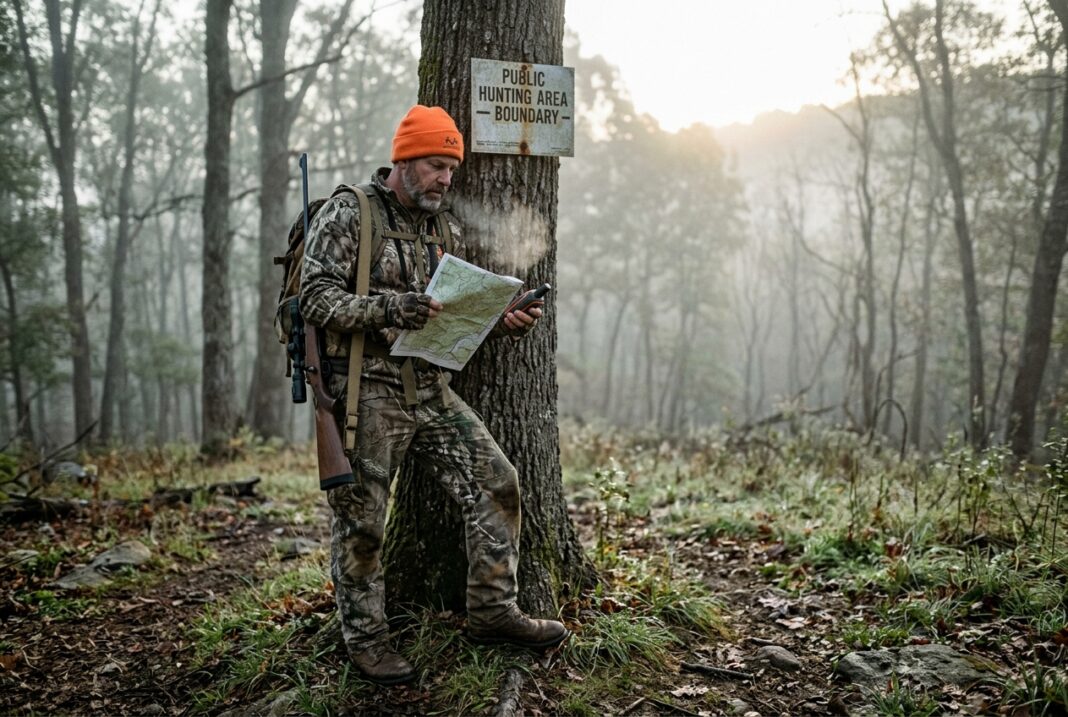
But leases have gotten expensive, and in a lot of whitetail country the price per acre has climbed faster than the deer density has improved. I’ve seen guys sign five-year leases on ground that looked incredible on aerial photos and turned out to be mediocre once they walked it — thin browse, no water, neighboring land getting hammered hard enough to push deer off entirely. A lease is only as good as the boots-on-ground scouting you do before you sign, and too many hunters skip that step because they’re excited to finally have “their own” property.
Here’s my blunt opinion: if you’re leasing solely because public land frustrates you, you’re solving the wrong problem. A lease on bad ground is worse than public land on good ground. Every single time.
The Mistake I Made Leasing Too Fast
I’ll admit this one because it still stings a little. A few years back I co-signed a 200-acre lease with two buddies after one scouting trip in August. The property had standing corn, a creek bottom, and what looked like a slam-dunk funnel on the topo map. We paid full asking price without negotiating, without talking to the neighboring landowners, and without checking harvest data for the county.
Turns out the “funnel” was a public access easement the county used for equipment access twice a year, which wasn’t a dealbreaker by itself — but the neighboring 400 acres had been leased out to a hunting outfitter running six stands and pushing deer hard from October on. Our “private” ground got hunted like public land anyway, minus the flexibility to just walk somewhere else. We ate that lease for two seasons before letting it go. Lesson learned: a lease is a business deal. Treat it like one. Walk the boundary lines, talk to neighbors, and check what’s happening on adjacent parcels before you write a check.
Where Public Land Actually Wins
Public ground earns its reputation when you treat it as a skill test instead of a shortcut. Mature bucks on public land aren’t unicorns — they’re just harder to kill because they’ve been educated by pressure, and that education makes you a sharper hunter. If you can consistently punch tags on well-hunted public ground, you can hunt almost anywhere.
Public land also gives you flexibility a lease never will. Bad access on one tract? Move fifteen minutes down the road to another WMA. State agencies like the ones covered by your local Wildlife and Sport Fish Restoration Program exist specifically to fund public hunting access and habitat work, which means new ground opens regularly if you’re paying attention to state DNR announcements instead of just re-hunting the same three spots every year.
Where a Lease Actually Wins
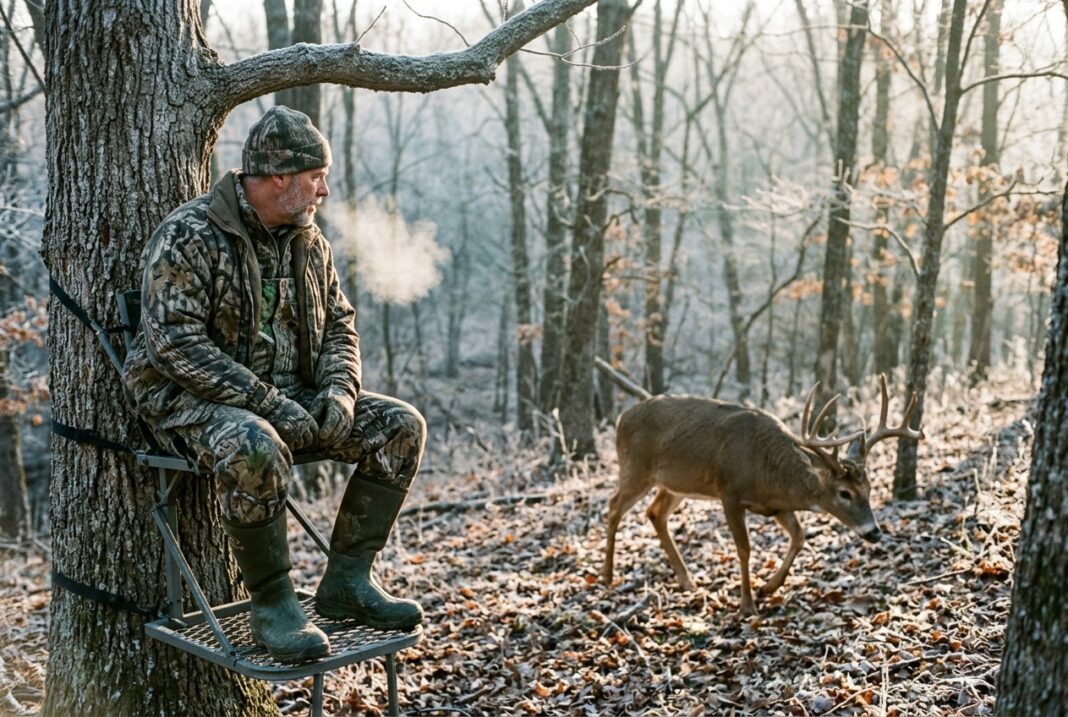
There’s a ceiling on what public land can give you, and it’s the ceiling of management. You cannot control harvest pressure on public ground. You cannot plant a food plot. You cannot let a 2.5-year-old buck walk with any confidence that the next guy in will do the same. If your goal is growing and killing mature deer on a predictable timeline, a well-scouted, properly negotiated lease with real exclusivity is going to outproduce public ground almost every time.
A lease also changes your relationship with scouting. Instead of burning entire weekends locating sign that might get bumped by another hunter before archery season opens, you’re refining stand locations on ground you know intimately, year over year. That compounding knowledge is worth real money to a serious hunter, and it’s the biggest reason leasing prices have climbed the way they have.
The Hybrid Approach Most Serious Hunters Miss
Here’s what almost nobody talks about: you don’t have to pick one. Some of the sharpest hunters I know run a small, tightly controlled lease for their primary rut hunts and still put boots on public ground in October and late season, when pressure eases and mature bucks that got pushed off private land start showing up on public tracts nobody’s checked in weeks. It’s the best of both — controlled ground when it matters most, and volume/flexibility from public land the rest of the season.
This approach also hedges your risk. Lose a lease to a landowner selling out or an outfitter outbidding you, and you’re not starting from zero. You’ve still got public land knowledge and relationships built up. I run this hybrid model now, and it’s the reason I stopped panicking every time a landlord mentions “reconsidering next year’s arrangement.”
Questions to Ask Before You Sign Anything
Before you commit real money to a lease, or before you assume public land is a waste of your time, run through this list honestly:
What’s the actual deer density and buck-to-doe ratio in the county? Your state’s state wildlife agency harvest reports will tell you more than any glossy lease listing photo. What’s happening on adjacent parcels — are they leased to outfitters running heavy pressure, or are they low-traffic family farms? What’s your realistic time investment — can you actually get to this property regularly enough to justify the cost, or is it a two-hour drive you’ll make four times a season? And on the public side: how many trailheads does this WMA have, how far can you push in past the parking lot pressure, and has the state done any recent habitat work or timber cuts that might be concentrating deer in specific zones?
So What’s Actually Worth It?
If I had to give you a straight answer — and I know that’s what you came here for — it’s this: leasing is worth it when you have the capital to do real due diligence, when the ground has genuine potential, and when you’re going to hunt it enough to justify the cost. Public land is worth it when you’re willing to put in the scouting hours that most hunters won’t, and