Antler Point Restrictions Explained: Why States Use Them
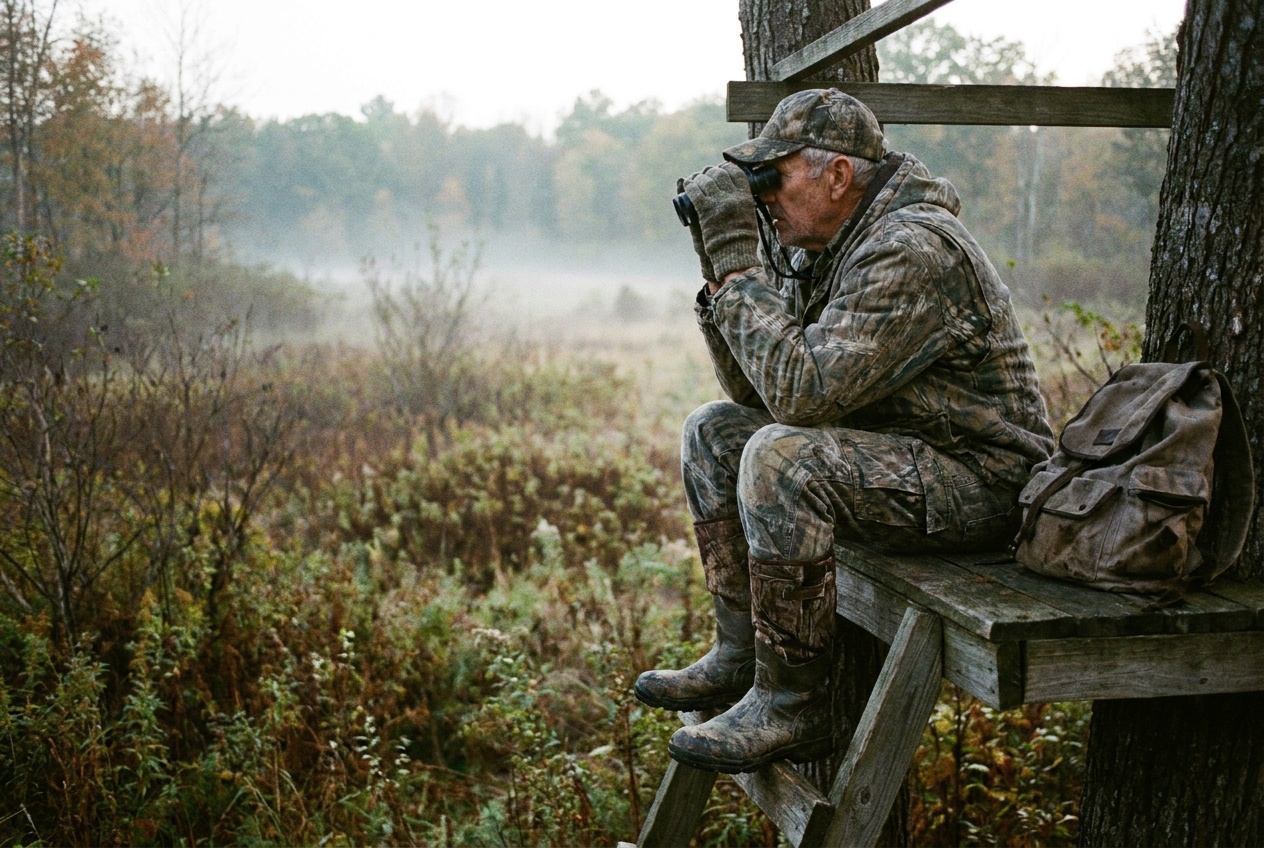
Every fall, somewhere in the timber, a hunter squints through binoculars at a buck and mutters the same question: “Does that count?” Antler point restrictions have turned that moment into a ritual for millions of whitetail hunters, and for good reason. These rules aren’t arbitrary red tape dreamed up by bureaucrats with nothing better to do. They’re a management tool, and understanding why they exist will make you a sharper hunter and a better steward of the herds you chase.
Antler point restrictions, or APRs, require a buck to have a minimum number of points on one or both antlers before he’s legal to harvest. The exact rules vary wildly by state and even by county. Some places demand three points on a side. Others go with four. A few use a spread requirement instead of a point count. The common thread is simple: these regulations exist to protect young bucks long enough for them to grow older, and in doing so, to shift the age structure of the herd toward maturity.
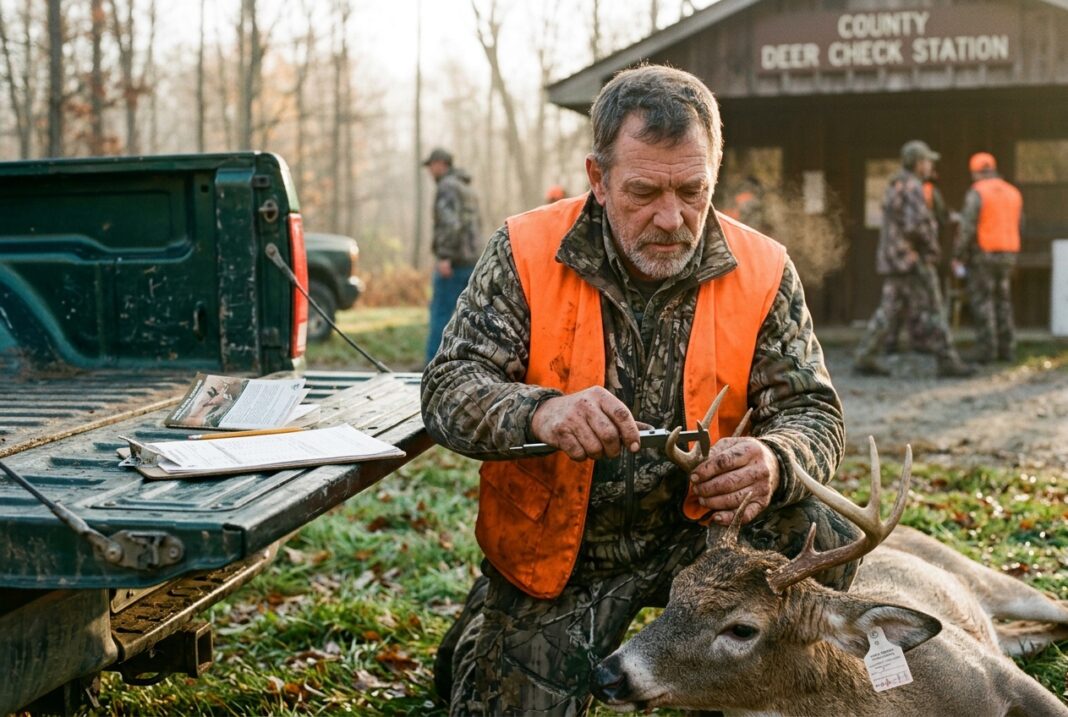
I’ll be blunt about something up front. I didn’t always love APRs. The first season I hunted under one, back in a county that had just adopted a three-point rule, I passed on what I was sure was a legal buck, only to find out later I’d miscounted a broken tine as a full point. It wasn’t legal. I got lucky that I didn’t pull the trigger, because plenty of hunters in that same season didn’t and paid the price with a citation. That mistake taught me to study antler configuration in the off-season instead of guessing in the moment, and it’s a lesson I pass along to every new hunter I mentor.
The Biology Behind the Regulation
Whitetail bucks don’t reach their antler potential in one or two years. A yearling buck, the classic “spike” or small-forked buck that gets criticized around camp, is simply a deer that hasn’t had time to express his genetics yet. Give that same buck two or three more years on the landscape, and the antler growth compounds dramatically. Age, not just genetics or nutrition, is the single biggest factor in antler size. The National Deer Association has published extensive research showing that bucks harvested at 3.5 years or older carry substantially larger racks than yearlings, even accounting for regional and nutritional differences.
APRs work by protecting that early age class. When a state or county restricts harvest to bucks with a minimum number of points, hunters end up passing on most yearlings, since young bucks rarely carry enough tines to meet the threshold. That single mechanism shifts harvest pressure toward older age classes and, over time, changes what the whole herd looks like on the landscape. It’s not instant. It’s not magic. But it works, and the data from state agencies across the whitetail’s range backs it up.
Why States Started Adopting APRs
Before APRs became common, most states managed deer with basic either-sex seasons, bag limits, and maybe antlerless-only late seasons to control population. That approach controlled numbers well enough, but it did nothing to address age structure. Hunters were shooting the first legal buck that walked by, which in most cases meant a yearling. Herds across huge swaths of the country skewed young, and mature bucks became a rarity rather than the norm.
Pennsylvania is one of the most studied examples. The Pennsylvania Game Commission implemented antler restrictions statewide back in 2002 after decades of near-total yearling harvest. The results weren’t universally popular. Traditionalist hunters who’d grown up shooting any legal buck felt like the rules were taking something away from them. But the data that followed showed a marked increase in bucks reaching 2.5 and 3.5 years old, and hunter satisfaction surveys eventually caught up to the biology, even if it took a few seasons of grumbling first.
Michigan tells a similar story on a more localized scale. Rather than statewide restrictions, the Michigan Department of Natural Resources allows counties to adopt APRs through a petition and referendum process, which means you’ll find three-point rules active in some counties and none in the county next door. That patchwork approach reflects something important: deer management isn’t one-size-fits-all, and what works in farm country doesn’t necessarily translate to the North Woods.
The Trade-Offs Nobody Talks About Enough
Here’s where I’ll push back a little on the cheerleading you sometimes hear about APRs in hunting media. They’re not a cure-all, and they come with real trade-offs.
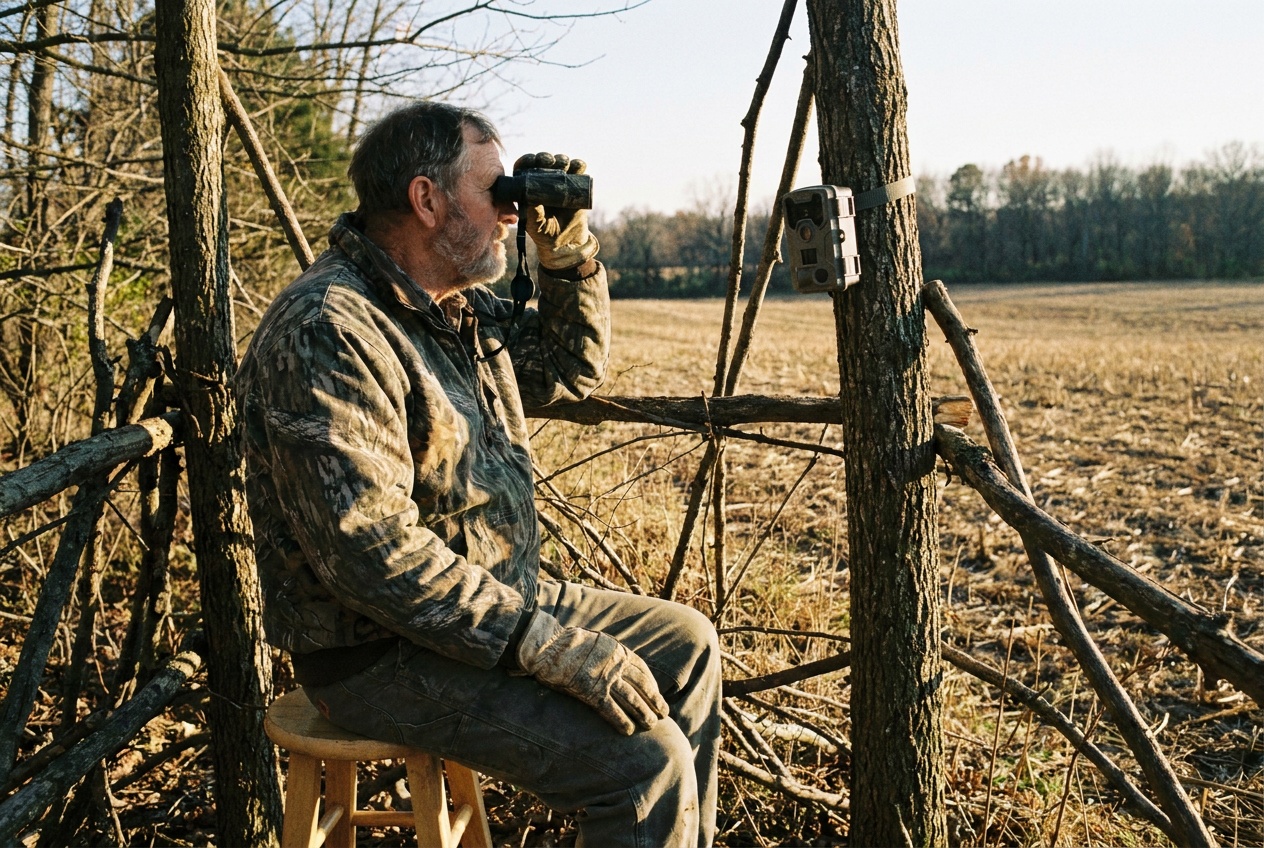
First, APRs can increase illegal take. When a hunter has to make a split-second point-count decision on a moving deer at last light, mistakes happen, and not everyone who breaks the rule does so intentionally. Wildlife officers in APR states consistently report higher numbers of citations for antler violations compared to states without restrictions. That’s not an argument against APRs; it’s a reason to know your local rules cold before the season opens, and to practice judging antlers on trail camera photos all summer long.
Second, APRs can concentrate hunting pressure on the exact bucks that are legal, which sometimes means a disproportionate harvest on 2.5-year-old bucks that just barely clear the point threshold. In some regions, this has created what biologists call a “ceiling effect,” where the herd’s age structure improves but plateaus rather than continuing to climb toward truly mature deer. It’s a real limitation, and hunters who want to see more 4.5 and 5.5-year-old bucks on the landscape need to pair APRs with genuine self-restraint, not just rely on the law to do the heavy lifting.
Third, and this is the one landowners argue about at the coffee shop every August: APRs can create friction between neighboring properties with different management goals. If you’re running a quality deer management program on your land and the property next door is shooting every legal buck that qualifies, your investment in habitat and restraint benefits your neighbor as much as it benefits you. That’s not a flaw in APRs specifically, it’s a flaw in how deer move across property lines regardless of any regulation. Cooperative agreements among neighboring landowners solve this better than any statute ever will.
How APRs Differ From Other Antler-Based Rules
It’s worth drawing a clear line between antler point restrictions and other antler-based harvest tools, because hunters sometimes lump them together. Spread restrictions require a minimum outside spread, often tied to ear width, and are less common but show up in specific management units. Antler point restrictions count tines instead of measuring width. Then there are “buck management” tags or limited-entry systems that cap the total number of buck tags issued in a unit regardless of antler configuration, which is a population-control tool rather than an age-structure tool.
Some states blend these approaches. A unit might require a minimum point count on one antler while also limiting the total number of buck permits sold, stacking two management strategies to hit both age structure and harvest rate goals simultaneously. This is common in western states managing mule deer alongside whitetail populations, where regulatory frameworks tend to be more complex than the Midwest or South.
If you hunt multiple states or even multiple counties within one state, don’t assume the rules are consistent. Check your specific unit’s regulations every single season, because boundaries and requirements do shift as agencies respond to new deer population and harvest data.
What This Means for You in the Stand
Practically speaking, hunting under an APR changes how you approach a season. You’re not just looking for “a buck” anymore, you’re evaluating tine count, and you need to do that fast, often in low light, often on a deer that’s moving. The hunters