Summer Trail Camera Scouting for Trophy Whitetails
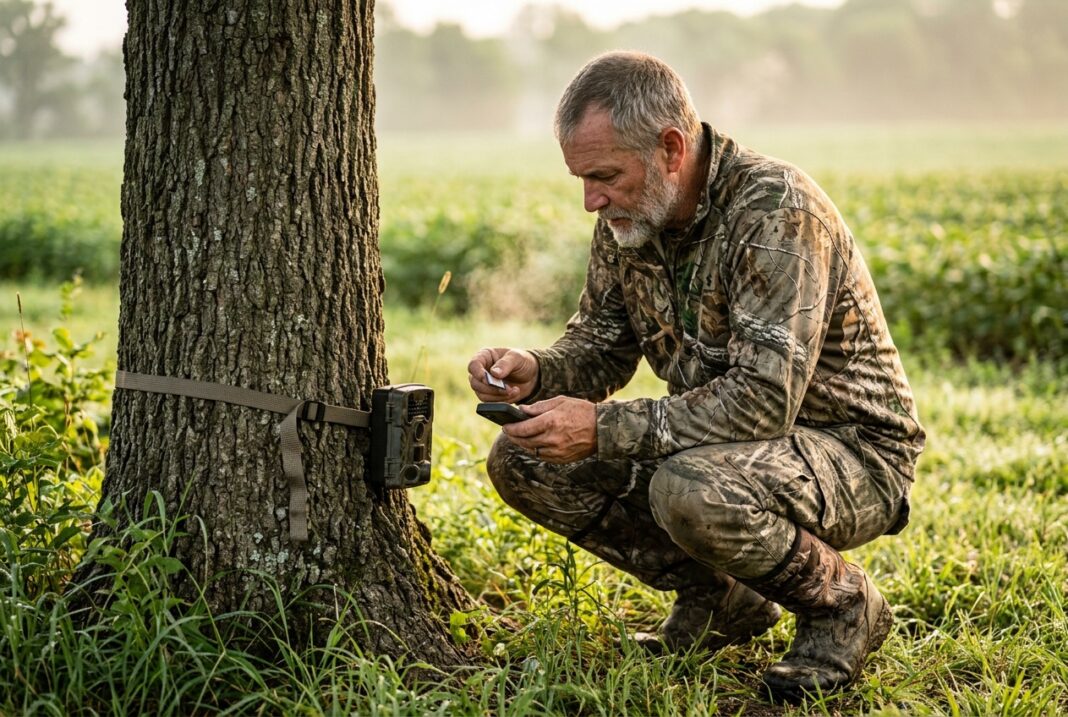
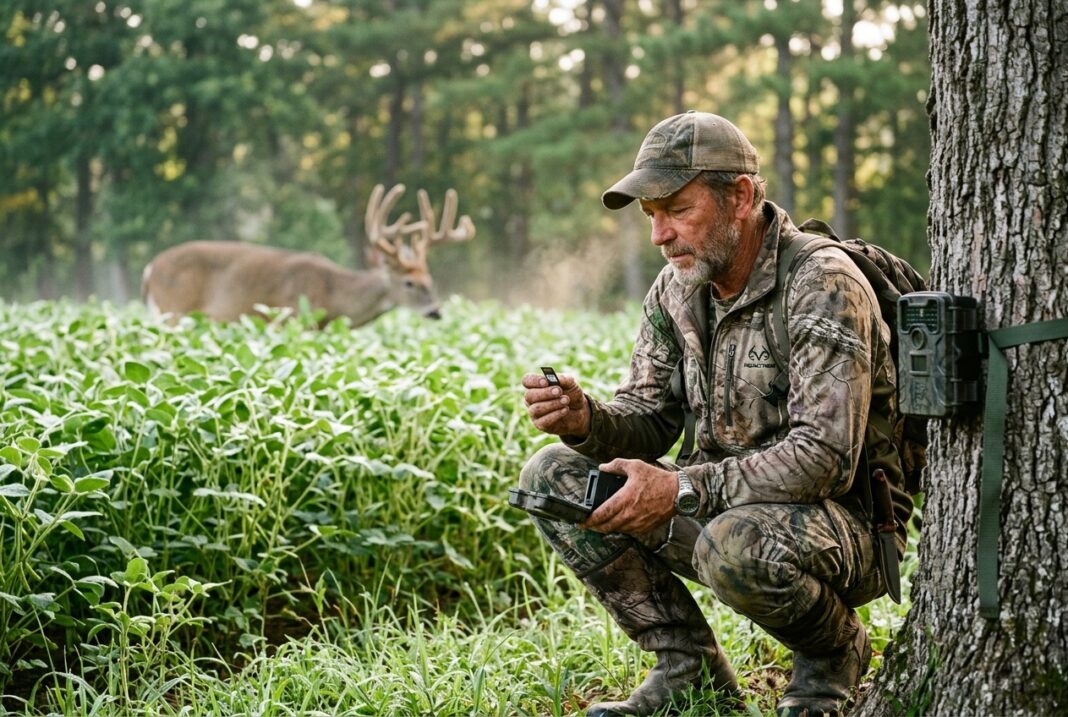
I pulled a card off a mineral site two mornings ago and sat in the truck with the windows down, scrolling through three weeks of photos before I even started the engine. That’s still the best part of July to me — not the heat, not the mosquitoes, but the moment you find out which old buck made it through winter and how much bone he’s carrying now. Summer trail camera scouting is how a serious whitetail hunter builds his season before the season ever starts, and mid-July is exactly the window when velvet growth lets you start sorting the good ones from the great ones.
When should I start running trail cameras in summer for trophy bucks?
Late June through mid-August is the core window, and right now, in mid-July, antler growth is far enough along that you can start making real distinctions between mature bucks and young ones. I like to have cameras out by the Fourth of July and let them run undisturbed through early August, when velvet starts to peel and bachelor groups begin to loosen up.
The mistake I see most is hunters waiting until August to start, which cuts your inventory window in half. You want multiple check-ins across six to eight weeks so you can watch how a buck’s frame develops and confirm he’s still using the same ground week to week. One good photo tells you a buck exists. A pattern of photos tells you whether he’s a resident or just passing through.
Where should I place cameras without spooking mature bucks?
Cameras belong on travel routes and feeding areas, not deep in the core bedding you plan to hunt come November. Mineral sites, field edges, and water sources in July draw bucks out into the open without asking you to walk into their sanctuary.
I set most of mine within fifty yards of a field edge or a known water hole, never inside timber I intend to hunt later. The goal in summer is information, not intrusion — every trip into the woods to check a card is a trip a mature buck can notice, even in the off-season. For a good overview of how deer use minerals and summer nutrition, the National Deer Association has solid research worth reading before you build a site.
How often should I check trail cameras during summer without adding pressure?
Once every two to three weeks is plenty for summer inventory work. Anything more frequent starts to add human scent and disturbance that mature bucks notice, even in velvet season when they’re less wary than they’ll be come October.
- Check cameras midday, after deer have moved off feeding areas and before evening movement starts.
- Wear rubber boots and spray down with scent eliminator even in summer heat — habits built now carry into fall.
- Approach and leave by the same low-impact route every time, ideally along a fence line or ditch rather than through the middle of a field.
- Resist the urge to check more often just because you’re excited about a new buck showing up. Patience in July pays off in November.
What can summer trail camera photos actually tell me about a buck’s potential?
Summer photos show you frame, mass, and tine length development, but they don’t show you final score — velvet antlers still have weeks of growth left and can shift shape considerably before hardening. What they’re most useful for is confirming a buck survived the year and identifying his core summer range.
I’ve watched bucks that looked mediocre in July turn into genuine giants by September, and I’ve watched a few that looked spectacular in velvet lose mass and character once they hardened off. Use July and August photos to build your short list, not to make final judgments. The USDA NRCS habitat resources are worth a look too if you’re trying to understand why certain fields draw bucks more consistently than others — it usually comes down to forage quality more than anything else.
Final Word
- Run cameras on field edges, mineral sites, and water in July — not in your fall bedding areas.
- Check cards every two to three weeks, midday, using the same low-impact entry and exit route.
- Build a short list of mature bucks now, but wait until antlers harden to judge final potential.
- Treat every summer scouting trip like a fall hunt — minimal scent, minimal noise, minimal presence.
If you haven’t pulled a card in the last two weeks, do it this week, and do it at midday when deer are off the fields. What you find between now and early August will shape which stand sites earn your time come October — treat the information like it matters, because it does.