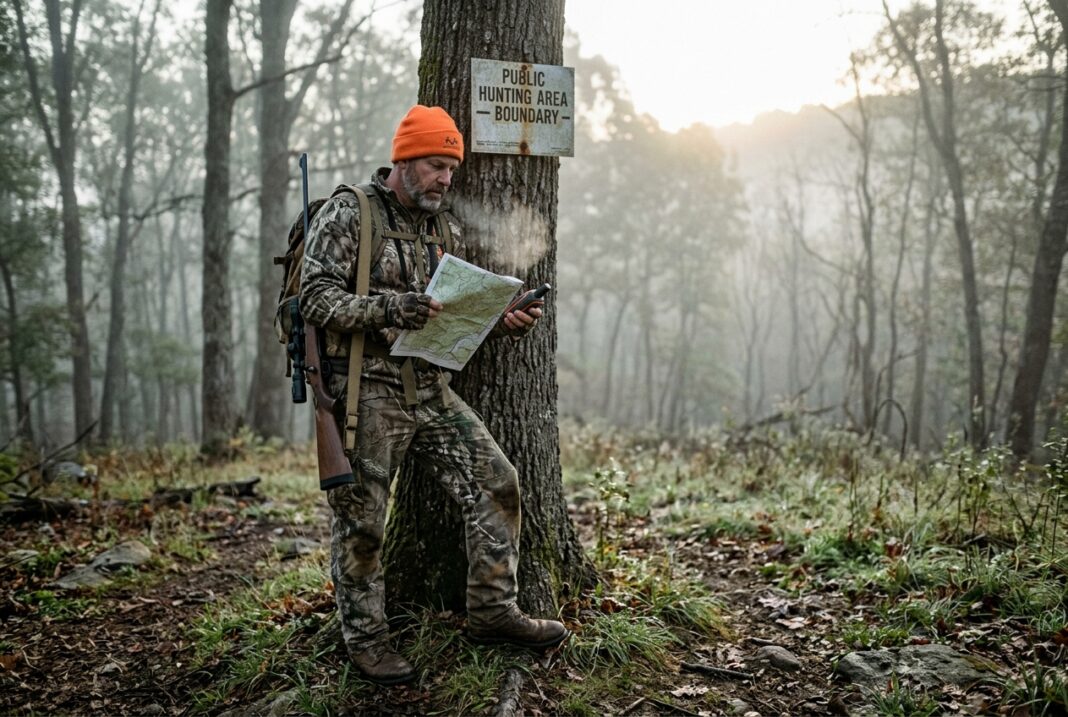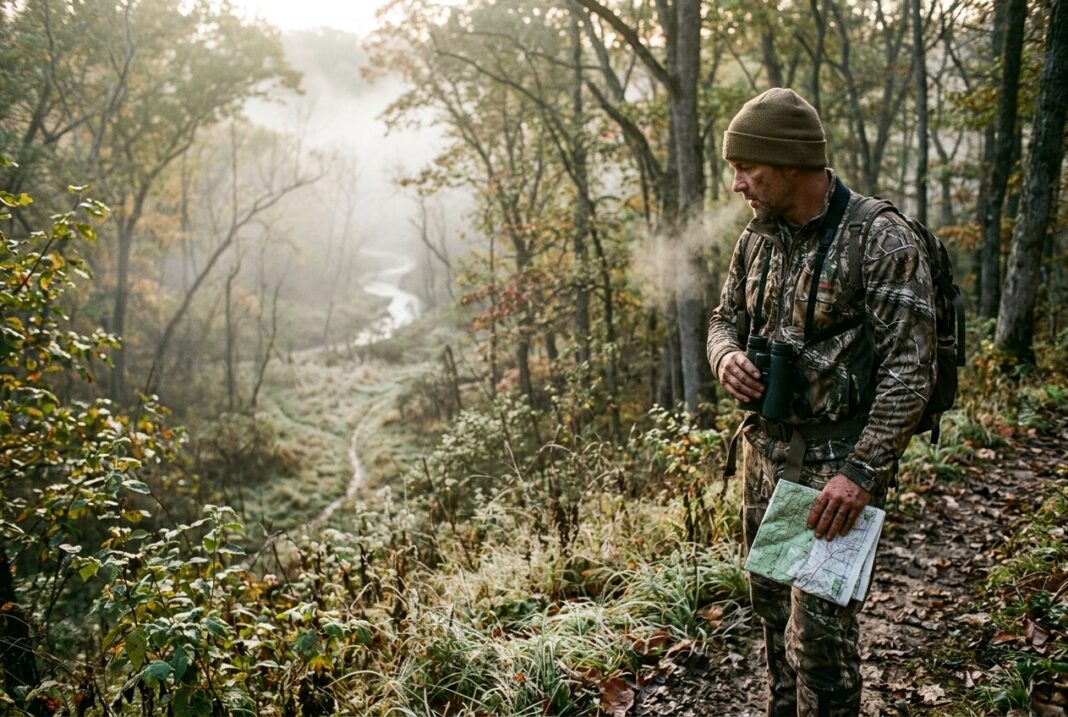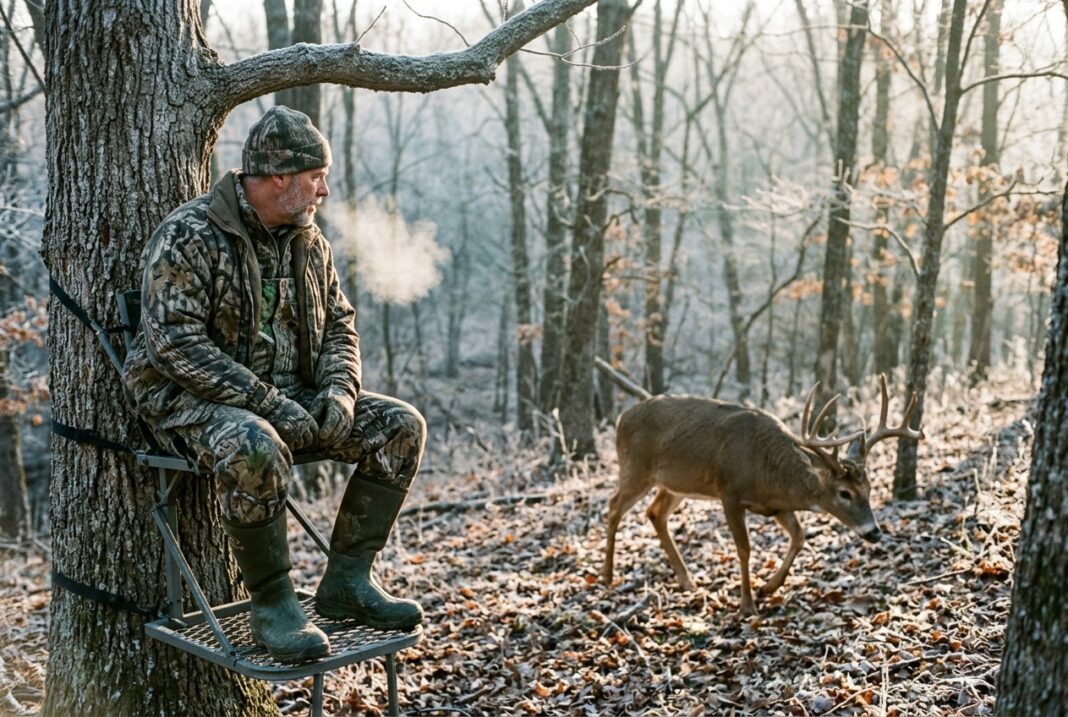
Whitetail Deer Behavior Through the Rut: Full Breakdown
Every serious whitetail hunter eventually learns the same lesson the hard way: the rut isn’t one event. It’s a chain of behavioral phases, each with its own rules, and treating them all the same is how you burn your best stands on the wrong days. I’ve done it. Sat a killer funnel during what I thought was “peak rut” only to watch nothing move for six hours, because I was two weeks early and the bucks were still cruising, not chasing.
Understanding whitetail deer behavior through the rut means understanding a timeline. Photoperiod — the shortening daylight hours — is the trigger, not temperature or the moon phase most hunters obsess over. That timeline is remarkably consistent from year to year in a given latitude, which is exactly why breaking it down phase by phase gives you an edge that guesswork never will.
This is a season-long breakdown of what bucks and does are actually doing, week to week, and how that behavior should change your approach in the stand.
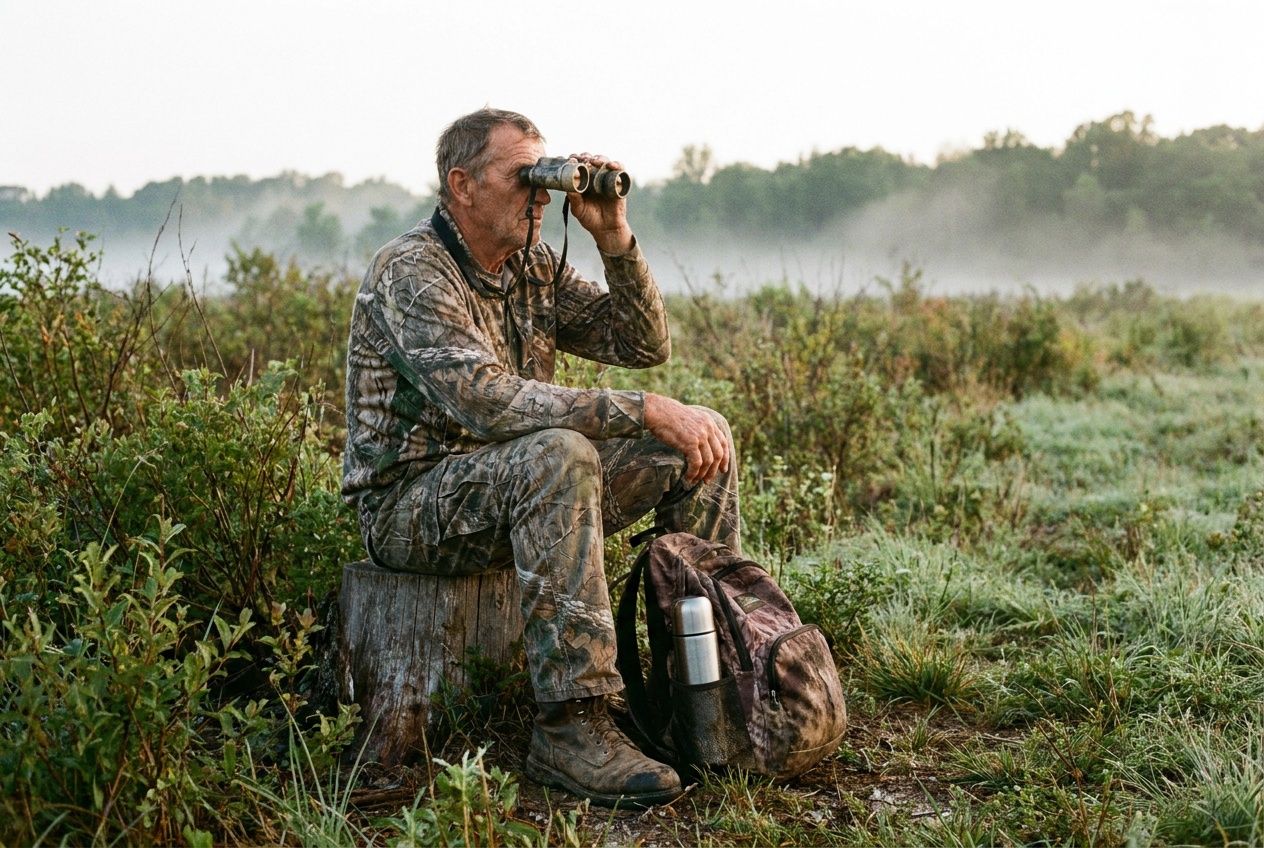
Late Summer: Bachelor Groups Break Apart
Before the rut ever starts, there’s a quiet shift that most hunters miss because they’re not looking for it. In late August and early September, bucks that have spent all summer feeding together in loose bachelor groups start to separate. Testosterone climbs, velvet sheds, and the social tolerance that defined summer patterns evaporates almost overnight.
This is when hunters get fooled. You had four bucks on camera at the same alfalfa field in July, and by mid-September they’ve scattered to four different core areas. That’s not a pattern breaking down — that’s the pattern working exactly as biology intends. Research compiled by the National Deer Association consistently shows this dispersal is driven by hormonal changes, not hunting pressure, though pressure absolutely accelerates it once season opens.
The Seeking Phase: Late September Into October
This is where scrape lines start telling you something. Bucks begin traveling wider circuits, checking scrapes, working licking branches, and testing does for early estrus signs — even though almost no does are actually receptive yet. Daytime movement is still largely nocturnal-leaning, but it’s increasing.
I treat this window as scouting time more than killing time. Trail cameras on scrapes here tell you which mature bucks are still in the area and roughly what their circuit looks like before things get chaotic. Don’t burn your A-plus stand yet. Save it.
Pre-Rut: The Scrape Explosion
Late October is when scrape activity genuinely explodes, and daylight buck movement takes its first real jump of the season. Bucks are rubbing aggressively, sparring to sort dominance, and covering ground looking for the first does to come into estrus. This is arguably the most underrated hunting window of the entire season.
Why? Because mature bucks are moving on their own terms, not chasing anything yet, which makes them more predictable and more responsive to calling and rattling than at any other point in the rut. State wildlife agencies track this shift closely — the Wyoming Game and Fish Department and similar agencies note increased buck-vehicle collision rates beginning in this window as a direct behavioral indicator, not coincidence.
Seeking Turns to Chasing
Once the first does start cycling into estrus — usually early November across most of the whitetail’s range — behavior flips fast. Bucks stop methodically checking scrapes and start covering serious ground, cruising through doe bedding areas at all hours, daylight included. You’ll see bucks trotting with their nose down, does bursting across food plots with a buck fifty yards behind, chaos that looks nothing like the disciplined scrape-checking of two weeks prior.
This is prime time for hunting funnels and pinch points between doe bedding and feeding areas, rather than sitting directly over food. Bucks aren’t there to eat. They’re there to find does, and they’ll cut through the nastiest, thickest terrain to do it if that’s where the does are living.
Peak Breeding: The Lockdown Phase
Here’s the phase that breaks hunters mentally every single year. Suddenly, after days of nonstop chasing, everything goes quiet. Bucks vanish. Camera activity craters. New hunters assume the rut is over and the deer left the county. It didn’t, and they didn’t.
What’s actually happening is lockdown — a mature buck has found a receptive doe and is bedding with her, sometimes for 24 to 48 hours, defending her from other bucks and barely moving beyond a small radius. This is genuinely the hardest phase to hunt, and honestly, I’ve told hunters to consider sitting all-day vigils here or, if their schedule allows, taking a short break rather than grinding through low-odds sits. The does that aren’t locked down yet are still getting cruised by younger, more desperate bucks, so it’s not dead — it’s just concentrated on a smaller number of specific deer you likely can’t see.
Second Rut: The Overlooked Opportunity
Roughly 28 days after peak breeding, a smaller secondary rut kicks in — driven by does that weren’t bred the first cycle and by button doe fawns from earlier years that are mature enough to cycle. It’s a fraction of the intensity of the primary rut, but mature bucks absolutely respond to it, especially in areas with a balanced adult sex ratio.
This window, typically early-to-mid December depending on latitude, gets ignored by hunters who’ve already mentally checked out for the season. That’s a mistake. Some of the biggest bucks I’ve seen taken on camera in late-season footage came during this exact window, working scrape lines again like it’s late October all over again.
Post-Rut Recovery and the Late-Season Reset
Once breeding activity tapers, bucks are physically wrecked. They’ve lost significant body weight — sometimes 20 percent or more of their pre-rut mass, according to data referenced by multiple state agencies and the U.S. Fish and Wildlife Service on cervid winter survival stress — and their singular focus shifts back to calories. Food sources, especially high-carbohydrate options like standing corn or brassicas, become the dominant behavioral driver again.
This is where patience pays off. Bucks that survived the rut settle back into tighter, more predictable patterns centered on food and thermal cover, particularly as winter weather intensifies. It’s a different hunt entirely — closer to early season logic than rut logic — but hunters who keep treating every December sit like it’s still the chase phase are wasting their remaining tags.
Why the Timeline Matters More Than the Calendar Date
I’ll say this bluntly: hunters who plan their entire season around one magic date, like “November 10th is always peak rut,” are setting themselves up to miss it. Latitude shifts everything. A hunter in northern Minnesota and one in southern Alabama are not on the same clock, and even within a single state, local deer density and buck-to-doe ratios shift the intensity of each phase. Your regional