Property Management for Bigger Bucks: Food, Cover, Age
Growing bigger bucks on your ground isn’t luck. It’s math, patience, and a willingness to say no to your trigger finger for a few more seasons. I learned that the hard way on a 160-acre lease in southern Iowa where I shot a gorgeous 2.5-year-old eight-pointer my first fall there, only to find out from the landowner’s trail camera history that the same deer had been pushing 150 inches at 4.5. I didn’t ruin the herd, but I set my own hunting back a year or two of patience I didn’t need to burn.
That mistake taught me what every serious deer manager eventually learns: a property that grows big bucks isn’t one lucky field or one good stand tree. It’s three things working together — food, cover, and age structure — and if any one of them is weak, the other two can only do so much.
This isn’t a theoretical conversation. Whether you’re managing 40 acres or 4,000, the same principles apply, just at different scales. Let’s break down what actually moves the needle.
Food Plots That Actually Carry Deer Through the Year
Most guys plant one plot of clover in the spring, maybe a brassica blend in the fall, and call it a food plot program. That’s a start, not a program. Deer need different nutrition at different times of year, and a property that only offers one type of forage is leaving deer hungry — and leaving them on the neighbor’s ground — during the months you’re not planting.
Spring and summer plots should focus on perennial clover and chicory. These come back year after year with minimal reseeding, they’re cheap to maintain, and does hammer them hard during lactation when protein demand is at its peak. Fall plots need to shift toward energy — brassicas, cereal grains, and standing corn or beans if you can swing it. That’s what gets deer through the rut and into the brutal stretch of late winter.
Don’t plant one giant field and think bigger is better. Several smaller plots scattered through the timber, tucked into doglegs and old logging roads, do more for your hunting than one five-acre opening ever will. Deer feel safer in small plots surrounded by cover, and you get more entry and exit options without blowing out the whole property on one bad wind. The National Deer Association has published solid breakdowns on forage selection by region, and it’s worth checking their recommendations against your local soil and climate before you dump seed in the ground.
Cover Is the Piece Most Hunters Ignore
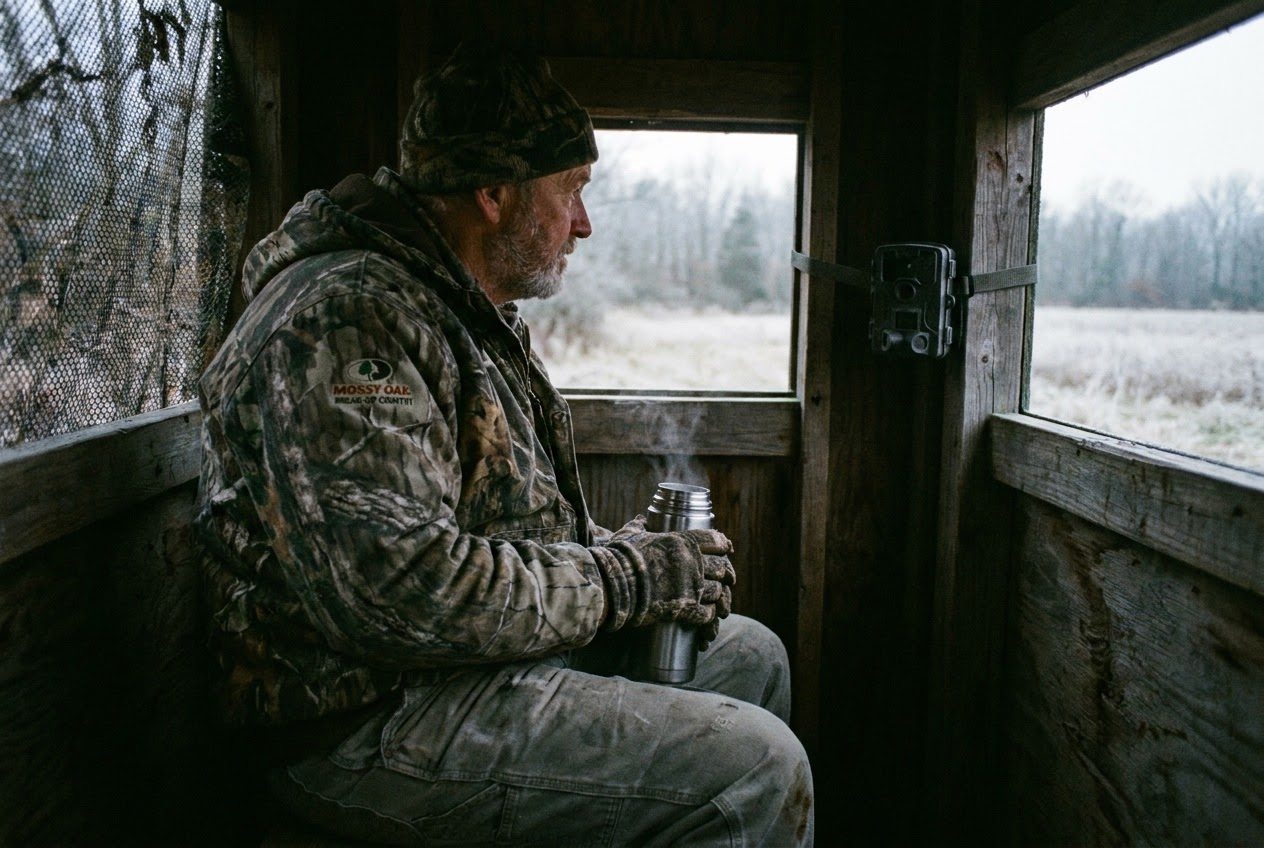
Everybody wants to talk about food plots. Almost nobody wants to talk about cover, and that’s a mistake, because cover is what keeps mature bucks on your property during daylight. A buck doesn’t need much to eat during the day — he needs somewhere he feels invisible. If your timber is wide open under a mature canopy with no mid-story, you’ve got a pretty forest and a lousy deer camp.
Timber stand improvement is the cheapest, most underused tool in deer management. Hinge-cutting a few acres of low-value trees lets sunlight hit the forest floor, which kicks off a flush of briars, saplings, and brush that deer bed in and browse on simultaneously. I’ve watched a hinge-cut quarter-acre go from dead ground to a bedding area holding three or four does and a shooter buck within two growing seasons. It’s not instant. It takes a chainsaw, some sweat, and patience while it fills in, but nothing else creates that kind of security cover that fast.
Native grasses and switchgrass stands do similar work in open ground, giving deer thermal cover in winter and screening cover during early season when leaves are still up but hunting pressure is starting. If you’re working on public-adjacent land or trying to understand broader habitat patterns in your region, the U.S. Forest Service’s wildlife habitat resources are a legitimate starting point for understanding what cover types your local deer herd actually depends on.
Age Structure: The Part That Requires Restraint
Here’s the blunt truth — you cannot grow big bucks if you keep shooting them at 2.5 years old. It doesn’t matter how good your food plots are or how thick your bedding cover gets. Antler growth compounds with age, and a buck doesn’t hit his real ceiling until 5.5 or 6.5 years old in most areas. Shooting bucks early caps your property’s potential no matter what else you do right.
This is where management gets personal and sometimes uncomfortable. On a group lease or a family farm, not everyone agrees on what’s a “shooter.” I’ve sat through plenty of camp arguments about whether a wide eight at 3.5 should walk. My opinion, and I’ll say it plainly: if you want a property known for mature bucks, you let the young ones go, even the good-looking ones, even when it hurts to watch them walk off into the brush. One season of restraint from the whole camp does more for your herd than any amount of plot planting.
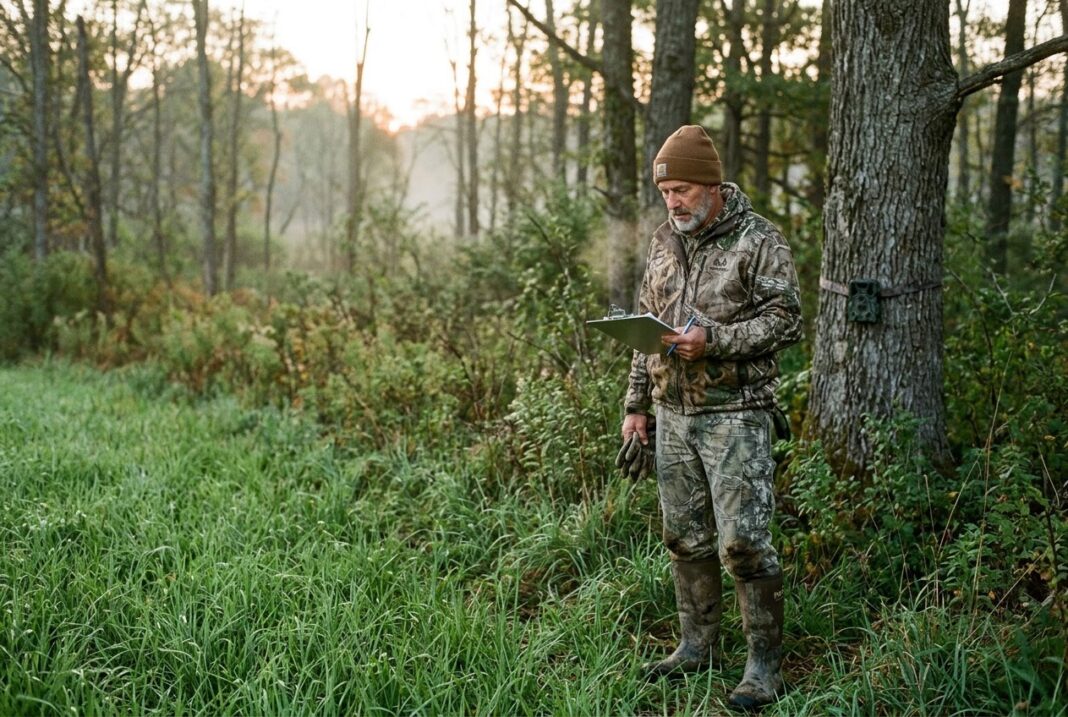
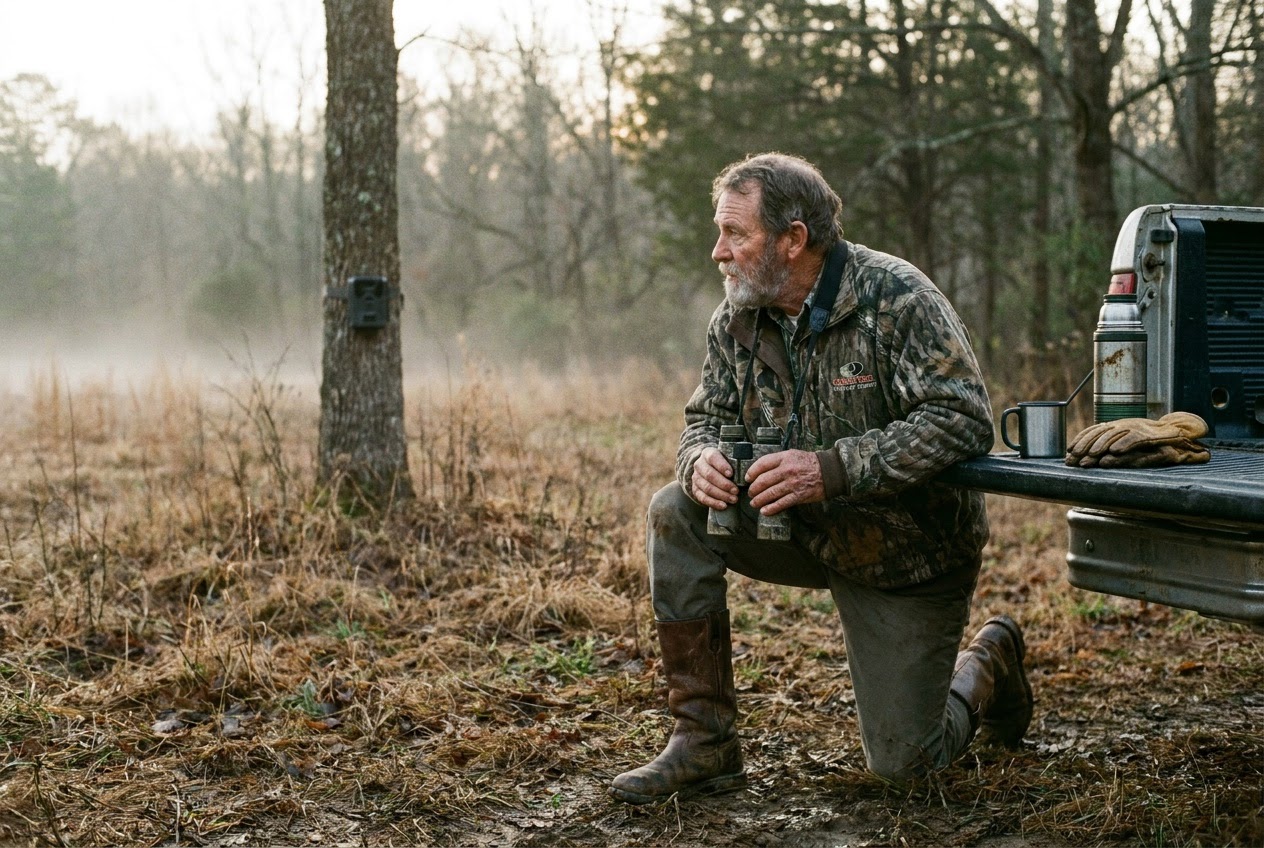
Tracking age structure honestly requires trail cameras run year-round, not just during the two weeks before season. You want to know what’s walking your property in March and July, not just November. Jawbone aging harvested deer gives you real data instead of guesswork, and most state wildlife agencies will age a jaw for free or walk you through doing it yourself. Many state agencies, including several referenced by the U.S. Fish and Wildlife Service’s deer management resources, track regional harvest data that can help you benchmark your property against what’s typical for your area.
How the Three Pieces Work Together
Food, cover, and age structure don’t operate independently — they reinforce each other, and weakness in one undercuts the other two. Great food plots on a property with no bedding cover just feed your neighbor’s deer during daylight hours, because the bucks bed elsewhere and only slip onto your food after dark. Thick cover with no food keeps deer around but doesn’t let them reach their antler potential, because nutrition drives growth just as much as genetics and age.
And none of it matters if you’re not letting bucks reach maturity. I’ve seen properties with incredible habitat work and zero harvest restraint produce disappointing deer year after year, while a rougher property with strict age criteria and decent food consistently kicks out mature bucks. If you had to rank the three, age structure wins, cover is a close second, and food plots — as much fun as they are to plant — come in third. That’s an unpopular opinion among food plot guys, but it’s what I’ve watched play out across multiple properties over fifteen years.
Start Small and Build a Real Program
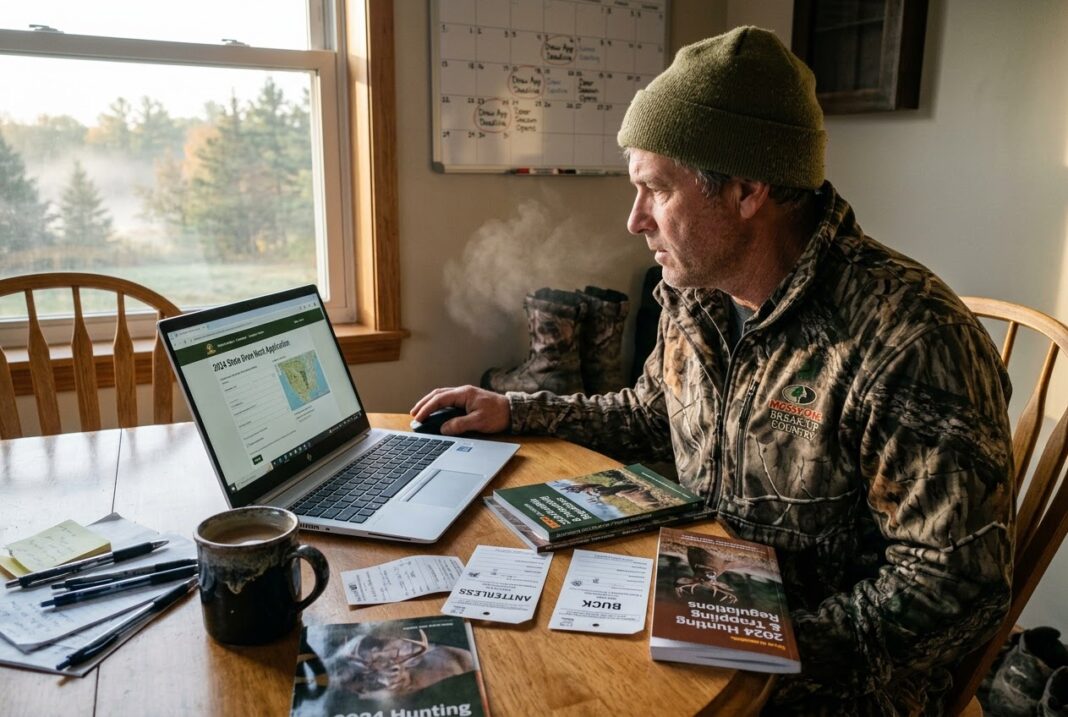
You don’t need to do everything this fall. Pick one weak spot — usually it’s cover, since most guys over-invest in food and under-invest in bedding security — and fix that first. Run cameras through the off-season to get honest data on what’s using your property and when. Talk to everyone who hunts the ground about age criteria before season opens, not during an argument over a four-point standing in a shooting lane.
Property management for bigger bucks is a multi-year commitment, not a single-season project. The guys who get frustrated and quit after one year of planting clover and seeing the same small bucks are missing the point — it takes that long just to establish the habitat, let alone let a deer age three or four more years. Stick with it, keep your camera data organized, and let the restraint do the heavy lifting it’s designed to do.
Keep a simple notebook or spreadsheet on your property year over year — plot plantings, cover work, camera data, harvest ages. Five years from now you’ll want to know what actually changed the herd, and memory alone won’t cut it.
—