How Deer Season Dates Are Set: Archery to Muzzleloader
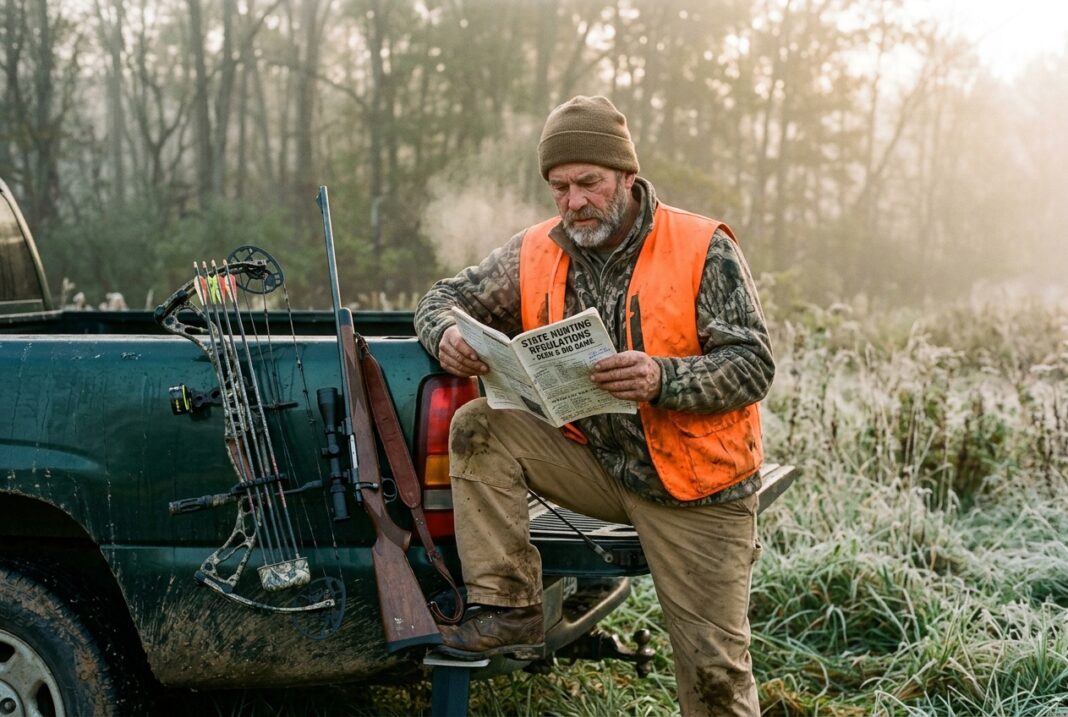
Every fall, hunters across the country pull up their state’s hunting digest and immediately flip to the same page: the season dates. Some years those dates feel perfectly timed to the rut. Other years they feel like someone in an office three hundred miles away has never actually sat in a stand. There’s some truth to both reactions, and understanding why matters more than most hunters realize.
Deer season dates aren’t arbitrary, and they aren’t set by a single person with a calendar and a dartboard. They’re the product of biological data, herd management goals, hunter tradition, and — frankly — a fair amount of political negotiation. If you’ve ever wondered why archery opens in mid-September in one state and early October in the next, or why muzzleloader season sometimes gets squeezed into a four-day window nobody asked for, this is the explanation.
I’ve spent enough seasons cursing regulation booklets to know the frustration firsthand. A few years back I planned an entire vacation around what I assumed would be peak rut activity in a new state, only to find out the firearm season opened two weeks earlier than in my home state — right in the middle of pre-rut lockdown, when bucks go nocturnal and stay there. That mistake taught me something important: season-setting logic varies wildly, and assuming your home state’s calendar applies elsewhere will burn your vacation days fast.
The Biology Behind the Calendar
Every state wildlife agency builds its deer season structure around herd data — population estimates, buck-to-doe ratios, fawn recruitment rates, and disease pressure like chronic wasting disease. Biologists don’t just guess at these numbers. They pull them from harvest reports, trail camera surveys, aerial counts, and increasingly, GPS collar studies that track actual deer movement through the fall.
The rut is the single biggest factor influencing archery and firearm timing. Agencies want enough of the breeding period to fall within archery season, since bowhunters typically have lower success rates and put less pressure on the herd. Firearm season, by contrast, gets timed to maximize both opportunity and controlled harvest — often placed just after peak breeding when bucks are still moving but slightly less locked down, or timed to align with post-rut cleanup depending on regional herd goals.
The U.S. Fish and Wildlife Service oversees the broader federal framework that guides state wildlife management, including migratory game bird regulations and habitat funding through the Pittman-Robertson Act, but the actual whitetail season dates are set at the state level. That’s a distinction a lot of hunters miss. There’s no national deer season calendar. Every state builds its own, based on its own herd data and its own priorities.
Archery Season: Why It Opens First
Archery almost always opens earliest, and there’s a clear reason for it. Bow hunting pressure is lower-impact. Shot distances are shorter, success rates are lower, and deer aren’t pushed into the kind of panic that heavy firearm pressure creates. Agencies use archery season as a low-disturbance opening act — a way to give hunters access to the woods while deer are still in relatively predictable summer and early-fall patterns.
Early archery dates also let agencies harvest antlerless deer before the rut scrambles movement patterns, which matters in areas managing for herd reduction. In states dealing with overpopulation or disease concerns, that early access is a management tool, not just a hunter perk.
The tricky part is that archery season length and start date vary enormously. Some states open the first weekend of September. Others wait until October 1st. This isn’t inconsistency for its own sake — it reflects real differences in rut timing, which itself shifts based on latitude, photoperiod, and regional deer genetics. A whitetail in northern Minnesota is breeding on a different calendar than one in central Alabama, and season dates reflect that.
Firearm Season: Balancing Tradition and Herd Management
Firearm season is where biology collides hardest with tradition, economics, and politics. Gun season drives license sales, hunting-related tourism, and rural economic activity in a way archery season simply doesn’t. That means agencies face real pressure — from outfitters, small-town businesses, and multi-generational hunting families — to keep firearm dates consistent year after year, even when the biological case for shifting them exists.
This is where I’ll say something bluntly: not every firearm season date is purely science-driven. Some are legacy dates, locked in decades ago and defended more by tradition than by current herd data. That’s not necessarily wrong — tradition matters in this sport, and opening weekend rituals are part of what makes deer camp deer camp. But hunters should understand that “we’ve always done it this way” is sometimes doing more heavy lifting in the decision than current biology.
Most agencies still time firearm season around post-rut or late-rut activity, when bucks are more vulnerable but the breeding period isn’t completely disrupted. States managing dense forested terrain, where firearm hunters need deer moving more predictably to be effective, often push firearm season later. States with more open agricultural ground sometimes open earlier, since visibility isn’t as limiting a factor.
Muzzleloader Season: The Wildcard Window
Muzzleloader season gets the least attention in most regulation discussions, but it’s arguably the most tactically interesting from a management standpoint. Many states use it as a flexible tool — placed either before firearm season to extend early opportunity, or after firearm season to extend the season without adding more high-pressure rifle days.
Late muzzleloader seasons, in particular, serve a specific purpose: mop-up harvest for antlerless deer after the general firearm crowd has thinned out. Late-season muzzleloader hunters often find surprisingly good rut-recovery movement, especially in years with a late second rut cycle from unbred does. It’s a niche window, but serious hunters who understand the pattern can capitalize on it.
The technology question matters here too. As muzzleloader equipment has modernized — inline actions, scopes, higher-velocity loads — some states have had to reconsider whether “primitive weapons season” still means what it meant thirty years ago. That’s led to genuine debate in wildlife commission meetings about whether muzzleloader seasons should shrink, since modern inlines perform closer to rifles than to the sidelock guns the season was originally built around.
Who Actually Sets These Dates?
This is the part most hunters never see. Season dates typically go through a formal process involving state wildlife biologists, regional deer management teams, and a wildlife commission or board — often made up of political appointees, not biologists themselves. Biologists present harvest data, population models, and recommendations. The commission votes.
Public input plays a real role too. Most states hold open comment periods, in-person meetings, or online surveys before finalizing dates, and hunter feedback genuinely shapes outcomes — sometimes for the better, sometimes not. Organizations like the National Deer Association actively engage in this process, providing science-based recommendations to state agencies and helping translate raw herd data into policy language commissions can act on.
If you want to see this process up close, check your own state’s proposed regulation changes each spring. Wisconsin, Pennsylvania, and Michigan all publish detailed rationale documents alongside their propos