Choosing a Rifle Caliber for Whitetail: A Practical Guide
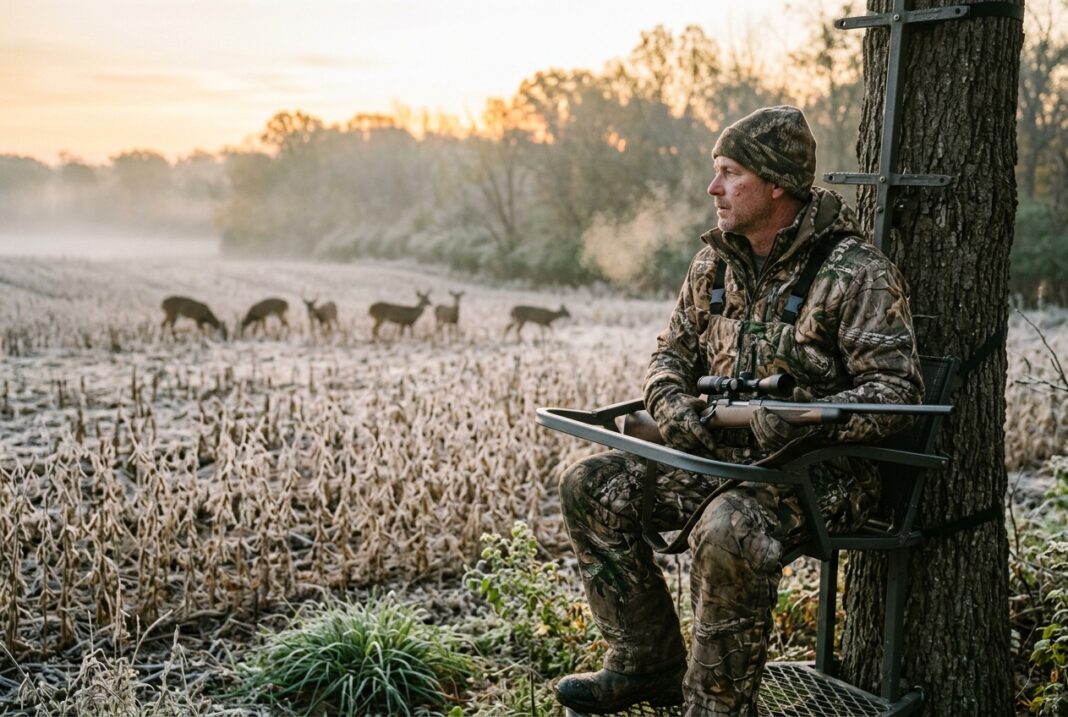
Every fall, somebody at deer camp starts a caliber argument that has no business lasting past the first cup of coffee. Someone swears by the .30-06 because his dad used one. Someone else just bought a 6.5 Creedmoor because the internet told him to. Meanwhile, the guy who’s tagged out fifteen years running is sitting quietly with a .270 that’s older than most of the trucks in the driveway. The truth is, choosing a rifle caliber for whitetail isn’t nearly as complicated as the gun counter debates make it sound.
Whitetail deer are not elk. They’re not moose. An average mature buck weighs somewhere between 150 and 250 pounds on the hoof, and they die from well-placed shots, not from magnum overkill. Most of the caliber wars you’ll hear rehashed at sporting goods stores are really arguments about recoil tolerance, marketing, and nostalgia — not lethality. Once you strip away the noise, the decision gets a lot simpler.
This guide is meant to cut through that noise. We’re not here to crown one “best” cartridge. We’re here to help you pick the right tool for your terrain, your body, and your hunting style — and to be honest about the tradeoffs nobody puts in the catalog copy.
What Actually Kills a Whitetail Cleanly
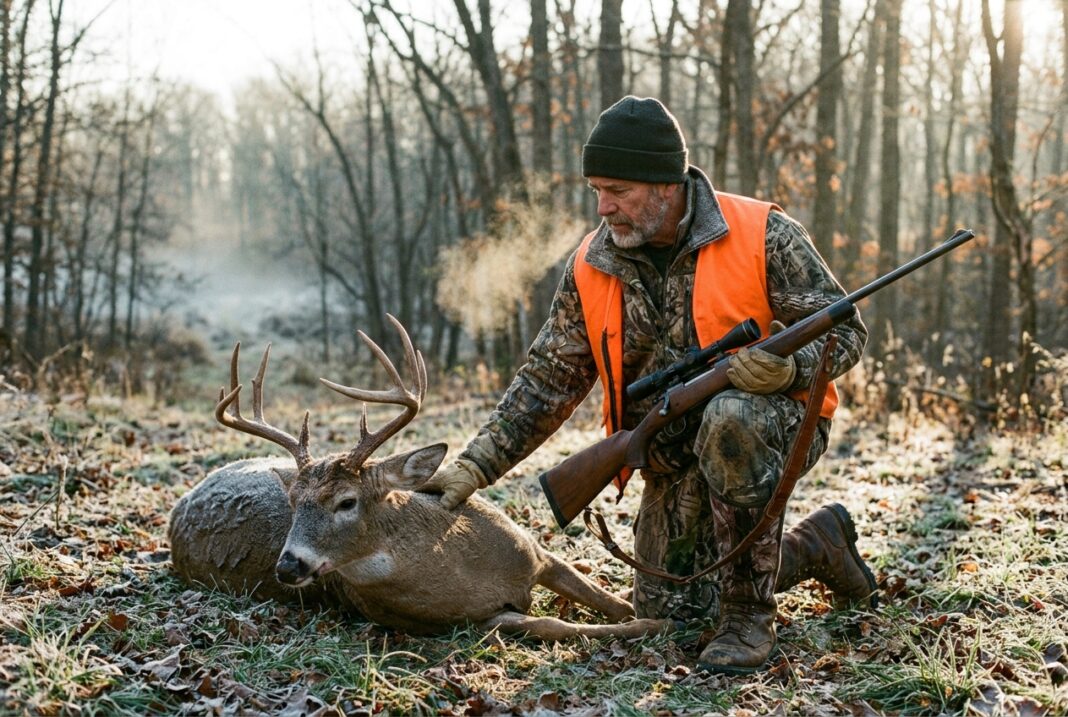
Forget velocity charts for a second. What matters is energy transfer and shot placement, in that order of importance, with placement doing most of the heavy lifting. A well-placed shot from a modest cartridge will outperform a poorly placed shot from a magnum every single time. That’s not opinion — it’s basic terminal ballistics, and it’s why so many seasoned hunters shrug off the “my caliber is better than yours” conversation entirely.
Most ammunition manufacturers and wildlife agencies agree that a bullet delivering somewhere in the neighborhood of 1,000 foot-pounds of energy at impact is a reasonable minimum for ethical whitetail harvests, though plenty of clean kills happen below that threshold with good shot placement. The National Deer Association has published solid research over the years reminding hunters that shot placement and bullet construction matter more than raw cartridge size. That’s advice worth tattooing on the inside of your gun case.
The Cartridges That Actually Get Used in the Field
You don’t need twenty options. You need three or four proven performers, and honestly, most whitetail hunters in North America are using one of the following:
.30-06 Springfield — Still the gold standard, more than a century after it was adopted by the military. Flexible bullet weights, manageable recoil, and it’s been killing deer since before your grandfather was born. If you want one rifle that does everything from whitetail to elk without apology, this is it.
.270 Winchester — Flat-shooting, mild recoil, and devastating on deer-sized game. Jack O’Connor built a career singing its praises, and he wasn’t wrong. It’s a phenomenal choice for hunters who spend time in open country or agricultural edges where longer shots happen.
.308 Winchester — Slightly less powder than the ’06 but nearly identical field performance on deer. Short-action rifles chambered in .308 tend to be lighter and often more accurate out of the box, which matters more than people admit when you’re carrying a rifle five miles into public land.
6.5 Creedmoor — The new kid that’s not really new anymore. Excellent ballistic coefficients, mild recoil, and a growing mountain of dead deer to back up the hype. If recoil sensitivity has kept a hunter — especially a younger or smaller-framed one — out of the woods, this cartridge has genuinely opened doors.
.243 Winchester — Often dismissed as a “youth” or “woman’s” caliber, which is a lazy and outdated label. In capable hands with proper bullet selection, the .243 is a legitimate whitetail round inside reasonable ranges. It just requires more discipline about shot distance and bullet construction than the bigger cartridges.
Where Terrain and Range Change the Math
Here’s where the guide gets practical instead of theoretical. A hunter perched in a Georgia pine plantation shooting fifty yards through thick cover has completely different needs than someone glassing wheat stubble in eastern Montana at 300 yards. Cartridge selection should follow your terrain, not the other way around.
If you hunt dense Southern timber or Midwest CRP edges where shots rarely stretch past 100 yards, almost any of the cartridges above will perform beautifully. Bullet expansion and shock matter more than flat trajectory in that scenario. But if you’re hunting big-sky country — the kind of ground managed by the Bureau of Land Management across the western states — you’ll want something with a flatter trajectory and better retained energy past 250 yards. That’s where the .270, 6.5 Creedmoor, and similar cartridges start to separate themselves from the pack.
Check your state’s regulations too, because this isn’t universal. Some states have specific caliber minimums or restrictions for deer hunting, particularly in areas with straight-wall cartridge requirements for rifle zones. Your state wildlife agency’s hunting digest is the final word, not a forum post from 2014.
Recoil Is the Silent Deal-Breaker
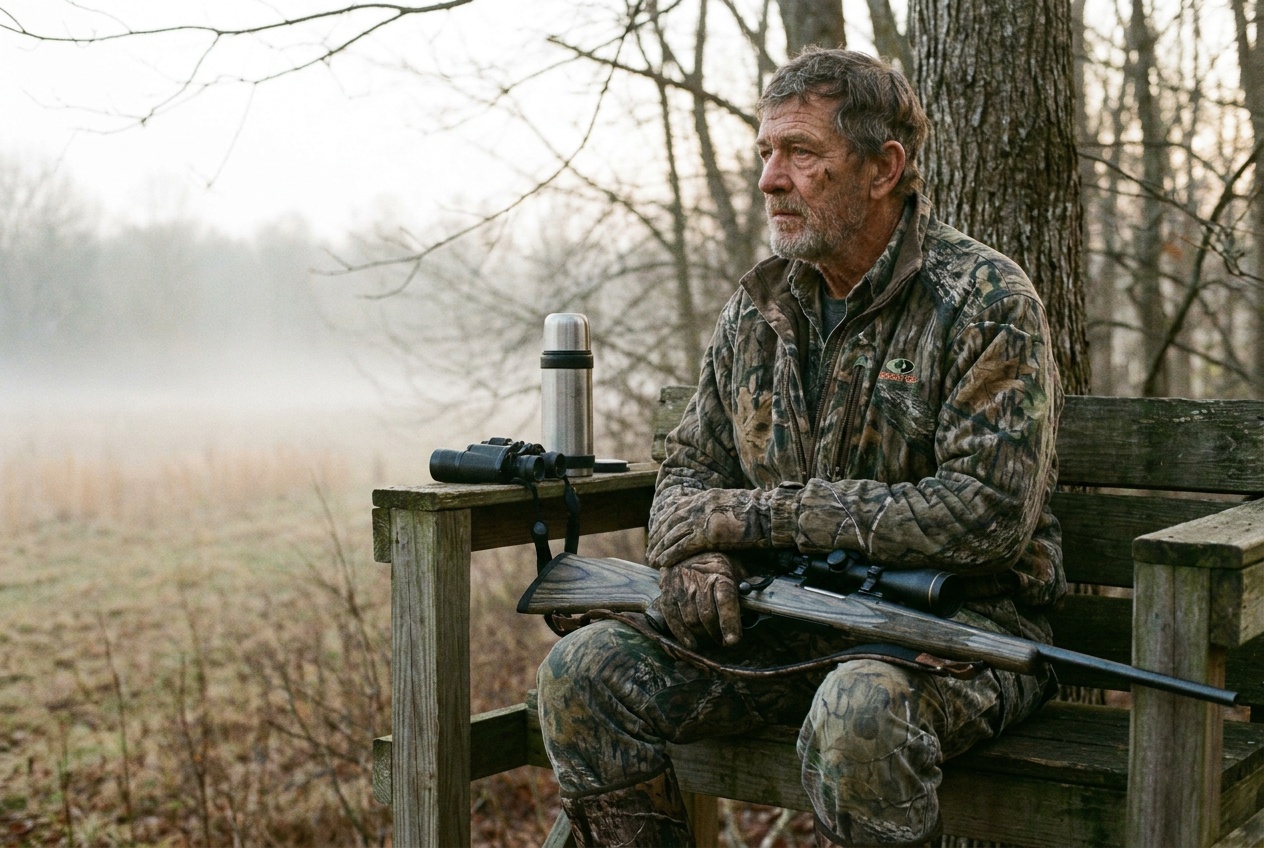
I’ll be blunt: recoil ruins more shots at deer camp than any ballistic shortfall ever will. I learned this the hard way years ago when I talked a buddy into borrowing my 7mm Remington Magnum for his first deer hunt. He was a smaller guy, hadn’t shot much, and that rifle kicked like a mule wearing steel-toed boots. He flinched on the shot, hit the buck too far back, and we spent three miserable hours tracking a deer that should have dropped in its tracks. That wasn’t the cartridge’s fault — it was mine, for putting the wrong gun in the wrong hands.
A hunter who can shoot a milder cartridge accurately and confidently will kill more deer, more ethically, than someone white-knuckling a magnum they’re afraid to practice with. Recoil sensitivity isn’t weakness — it’s just physics interacting with individual body mechanics, and pretending otherwise gets deer wounded. If you flinch, downsize. Your ego doesn’t need protecting, but the animal you’re hunting deserves a hunter who can shoot straight.
Bullet Selection Matters as Much as Caliber
This gets overlooked constantly. Two hunters can carry the exact same .30-06, and one will consistently drop deer in their tracks while the other trails wounded animals through the brush — because bullet construction wasn’t matched to the job. A cheap, hard-jacketed bullet designed for punching paper is a poor choice for hunting. Controlled-expansion hunting bullets from reputable manufacturers are worth the extra few dollars a box, every time.
Match your bullet weight to your cartridge’s intended use, too. Lighter, faster bullets work well on deer-sized game at moderate range but can be more sensitive to bullet placement and wind drift at distance. Heavier-for-caliber bullets retain energy better downrange and handle less-than-perfect shot angles more forgivingly. This is a topic worth studying beyond this article — organizations like the U.S. Fish and Wildlife Service publish general hunting ethics resources, and most ammunition manufacturers now provide detailed ballistic data online that’s far more reliable than gun counter folklore.
My Honest Take
If someone forced me to recommend one all-around whitetail cartridge to a hunter starting from scratch, I’d say .308 Winchester or .30-06, depending on whether they want a short or long action. Both are proven, both are widely available even during ammo shortages, and both will handle everything from a Southern swamp buck to a Midwest giant without drama.
But I won’t pretend that’s the only right answer, because it isn’t. The best rifle caliber for whitetail is the one you’ve put rounds through at the range, understand intimately, and can shoot confidently under pressure when a buck steps out at last light and your heart rate spikes. Ballistic superiority on paper means nothing if you can’t execute the shot when it counts.
Final Thoughts Before You Buy
Don’t let internet caliber wars dictate your purchase. Go to a range. Shoot a few different rifles if you can borrow them from friends or rent them at a local range. Pay attention to how recoil feels after five shots, not just one. Ask yourself honestly whether you’ll practice enough with a given rifle to trust it in October’s low light.
Whitetail hunting rewards preparation and punishes ego. Pick a caliber that fits your terrain, respects your recoil tolerance, and gets practiced with regularly — and you’ll fill tags a lot more consistently than the guy still arguing about magnums at deer camp.
—