Hunting Lease Contracts: What to Look for Before You Sign
A hunting lease can be the best investment you ever make in your deer season, or the worst. I’ve seen both. I’ve lived one of them personally — more on that in a minute — and it taught me that the handshake and the “trust me” tone of a landowner conversation mean nothing once hunting season starts and something goes sideways. Paper matters. Specificity matters. And most hunters sign leases the same way they sign gym contracts: fast, hopeful, and without reading the fine print.
That’s a mistake you can’t afford when real money, real access, and real liability are on the line. A hunting lease is a legal contract, full stop. It should be treated with the same scrutiny you’d give a truck loan or a mortgage rider, not scribbled on a notepad in a farmhouse kitchen.
This guide breaks down exactly what to look for in a hunting lease agreement before you put your name on the dotted line — the clauses that protect you, the ones that protect the landowner, and the ones that, if missing, will absolutely come back to bite you.
Why a Verbal Agreement Isn’t Enough
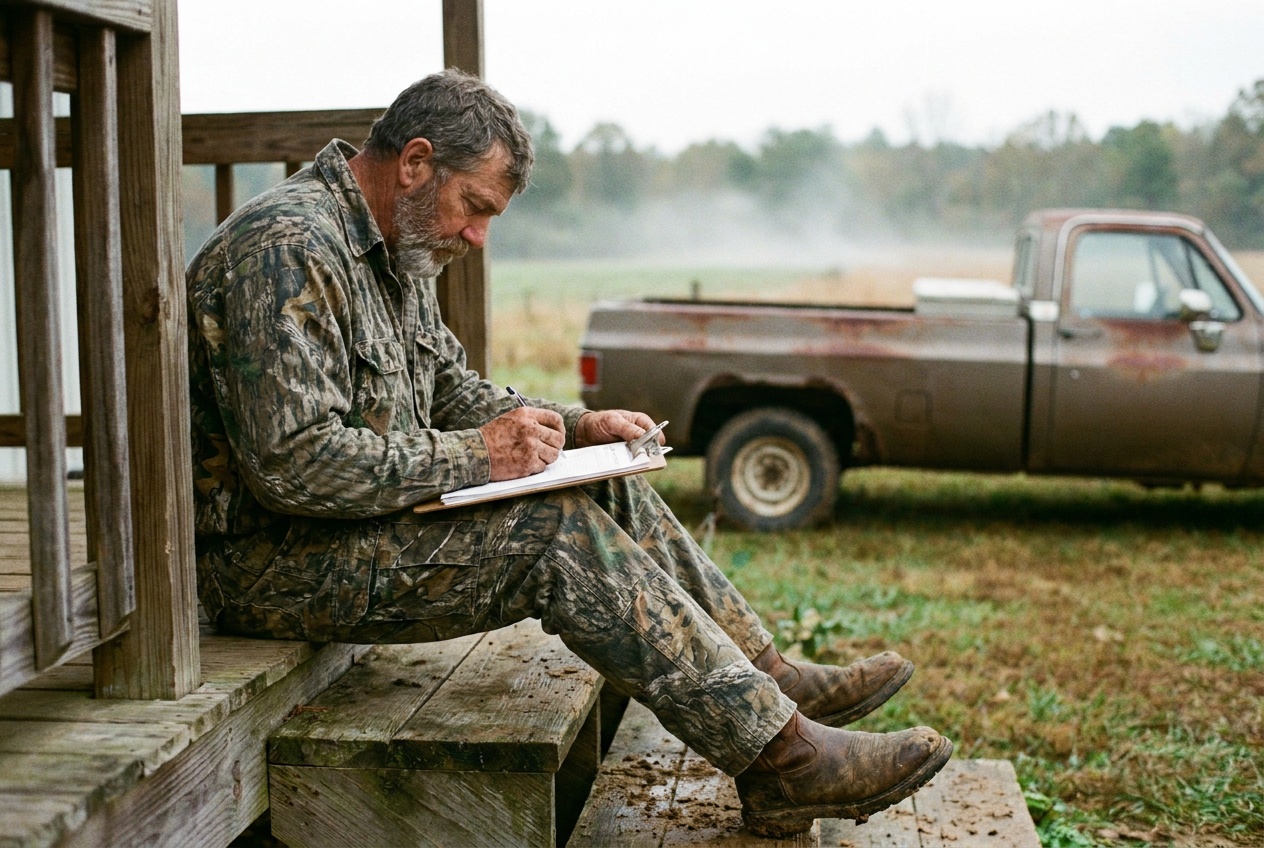
Plenty of hunting leases still get sealed with a firm handshake and a wad of cash. I get the appeal — it’s simple, it’s fast, and it feels like the “old way” of doing business. But verbal agreements fall apart the moment there’s a disagreement about boundaries, guest access, or who’s responsible when someone gets hurt.
Without a written contract, you have no leg to stand on if the landowner sells the property mid-season, decides to double-lease the ground to someone else, or suddenly restricts access to “just weekends.” I learned this the hard way on a 200-acre farm in southern Iowa. I’d leased it for three seasons on a verbal understanding with an aging farmer. When his son took over the property after he passed, the son had no idea a lease even existed — nothing was written down, no money trail beyond cash in an envelope, no signed terms. I lost the ground, lost two years of scouting and stand work, and lost a property I genuinely loved hunting. That’s the last time I ever leased land without a real contract, and it should be the last time you do too.
Property Boundaries and Legal Description
Your lease should include a legal description of the property, not just “the back 80 off County Road 12.” Ask for a plat map, GPS coordinates, or a parcel number that matches county records. This isn’t paranoia — boundary disputes are one of the most common sources of lease conflict, especially on ground with unmarked timber lines or shared fence rows with neighboring farms.
If the property borders public land or another private lease, get that in writing too. You want to know exactly where your rights end and someone else’s begin before opening morning, not after you’ve already got a stand hung fifteen yards over the line.
Term Length and Renewal Terms
A solid lease spells out the exact start and end dates, along with what happens at renewal. Is it a one-year lease with no guarantee of renewal? A multi-year term with a right of first refusal? Does the price adjust year to year, and by how much?
Multi-year leases with a locked-in renewal option are gold for serious whitetail hunters. Deer management takes time — food plots mature, mineral sites establish patterns, and stand locations get dialed in over multiple seasons. A landowner who’s only willing to offer year-to-year terms with no renewal language is telling you something: don’t get too attached, because you might not be back.
Liability and Insurance Clauses
This is the section too many hunters skip past, and it’s arguably the most important one in the entire document. Who’s liable if someone gets hurt on the property? Many states have recreational use statutes that limit landowner liability when they open land for hunting without charging a fee — but a paid lease can change that legal picture entirely, depending on your state.
Check your state’s specific landowner liability laws before assuming you’re covered either way. Several state wildlife agencies publish guidance on this exact issue for landowners considering leasing — it’s worth a direct read, not secondhand advice from the hunting forum. A well-drafted lease should require the lessee to carry hunting liability insurance, and many outfitters and land management companies now require proof of coverage before a lease is finalized. If your contract is silent on liability and insurance, that’s not a small oversight — it’s a red flag.
Access Rights and Restrictions
Spell out exactly what “access” means. Can you access the property year-round for scouting, trail camera checks, and food plot work, or only during hunting season? Are there restrictions on vehicle access, ATV use, or which roads and gates you’re allowed to use?
Guest access deserves its own line item. If you’re planning to bring your kid, your hunting buddy, or split the lease with a small group, that needs to be named specifically — not assumed. I’ve seen leases blow up because one hunter brought a “guest” who turned out to be a paying sub-leaser the landowner never agreed to.
Habitat and Land Management Rights
If you’re serious about growing mature bucks, you need explicit permission — in writing — to manage the habitat. That means food plots, timber stand improvement, mineral sites, water sources, and stand or blind placement. Don’t assume a landowner is fine with you dropping trees for hinge-cutting just because they didn’t say no when you brought it up once at the kitchen table.
The National Deer Association publishes excellent, science-based resources on habitat management practices that make a real difference on leased ground — food plot design, timber management, and QDM strategies that don’t require owning the property outright. Bring that knowledge into your lease negotiation. A landowner who sees you as a partner in improving the land, rather than just a check every fall, is far more likely to extend management rights and renew your lease long-term.
Deer Management and Harvest Restrictions
Some leases come with strings attached: minimum antler restrictions, doe harvest quotas, or limits on the number of hunters and total tags filled per season. These aren’t unreasonable — they’re often exactly what makes a property worth leasing in the first place. But they need to be explicit in the contract, not left to a landowner’s changing mood in October.
If harvest data or QDM reporting is expected of you, get the specifics: what’s due, when, and to whom. Landowners increasingly want harvest logs and trail camera data as part of the deal, and that’s a reasonable ask if it’s clearly written into the terms up front.
Payment Terms and Default Clauses
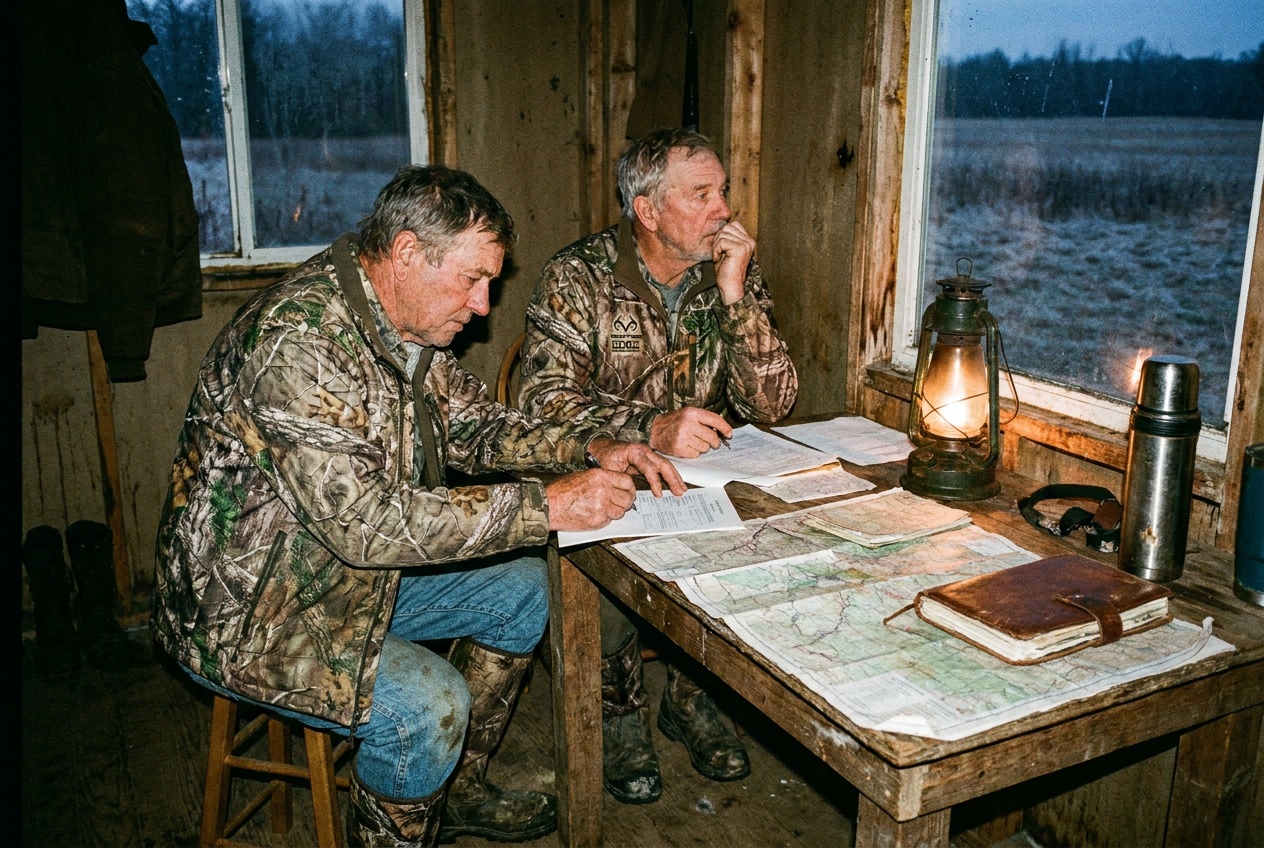
Lease price is obvious, but the payment schedule matters more than most hunters realize. Is it due in full, or split across two or three installments? What happens if a payment is late? What happens if the landowner sells the property mid-lease — do you get a prorated refund, or are you just out of luck?
A default clause protects both parties. It should outline what constitutes a breach of contract on either side — nonpayment, property damage, unauthorized guests, trespassing violations — and what remedy follows. Without this, disputes get settled by whoever yells loudest, and that’s never a good system.
Termination and Early Exit Conditions
Life happens. Landowners sell farms, hunters relocate for jobs, health issues come up. Your lease should clearly state how either party can terminate early, what notice period is required, and whether any refund is owed. Don’t sign anything that gives the landowner unilateral termination rights with no notice — that clause exists to protect them entirely and you not at all.
Get It Reviewed Before You Sign
I’ll say the unpopular thing plainly: if you’re leasing serious acreage — anything over a few hundred dollars a year, or multi-year commitments — pay an attorney to review the contract. It costs a few hundred bucks and saves you from the kind of headache that costs thousands, or costs you the lease entirely. Many state agricultural extension offices and hunting land management companies also offer standardized lease templates that are far more protective than something drafted on a napkin.
State wildlife agencies are also a solid resource for understanding how leasing interacts with hunting regulations on private land, including tagging requirements, guest hunter rules, and depredation permits in agricultural areas. Checking your state and federal wildlife agency guidance before finalizing terms isn’t overkill — it’s due diligence that protects your access for years, not just one season.
The Bottom Line
A hunting lease is only as good as the paper it’s written on. The handshake feels good in the moment, but it’s the contract that determines whether you’re still hunting that ground three years from now — or scrambling for new acreage after a dispute nobody saw coming. Read every clause. Ask uncomfortable questions before you sign, not after. And if a landowner balks at putting basic protections in writing, take that as the answer it is.
Good ground is worth fighting for. A good contract means you won’t have to.
—