Cellular Trail Cameras: What Actually Holds Up This Summer
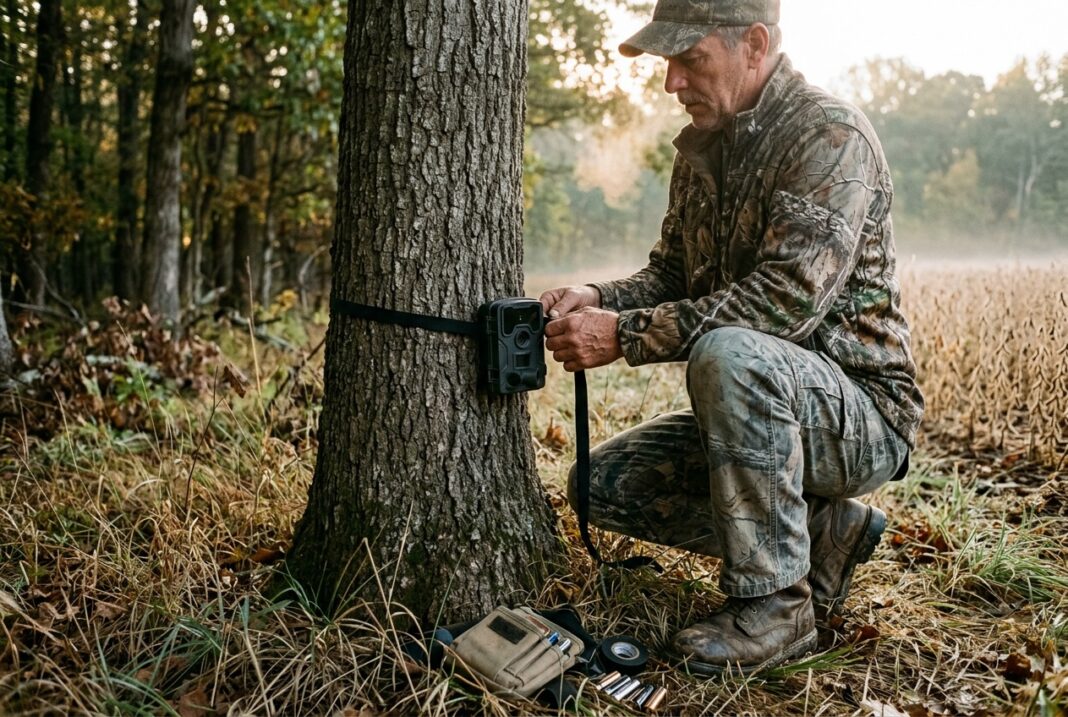
I pulled an SD card off a camera two weeks ago and it was corrupted, sixty days of humid Wisconsin bottomland and not one usable photo. That’s the kind of thing that makes you rethink whether cellular trail cameras are worth the hassle, or whether they’re just another line item that promises more than it delivers. Summer is when trail camera decisions actually matter, because this is inventory season, and a bad camera setup right now means you’re flying blind come opening weekend.
Are cellular trail cameras worth it for summer scouting?
Yes, but only if you understand what you’re actually buying, which is convenience, not necessarily better photos. A cellular unit saves you from walking in and bumping deer off a food source every ten days, and that alone justifies the cost for most serious scouters.
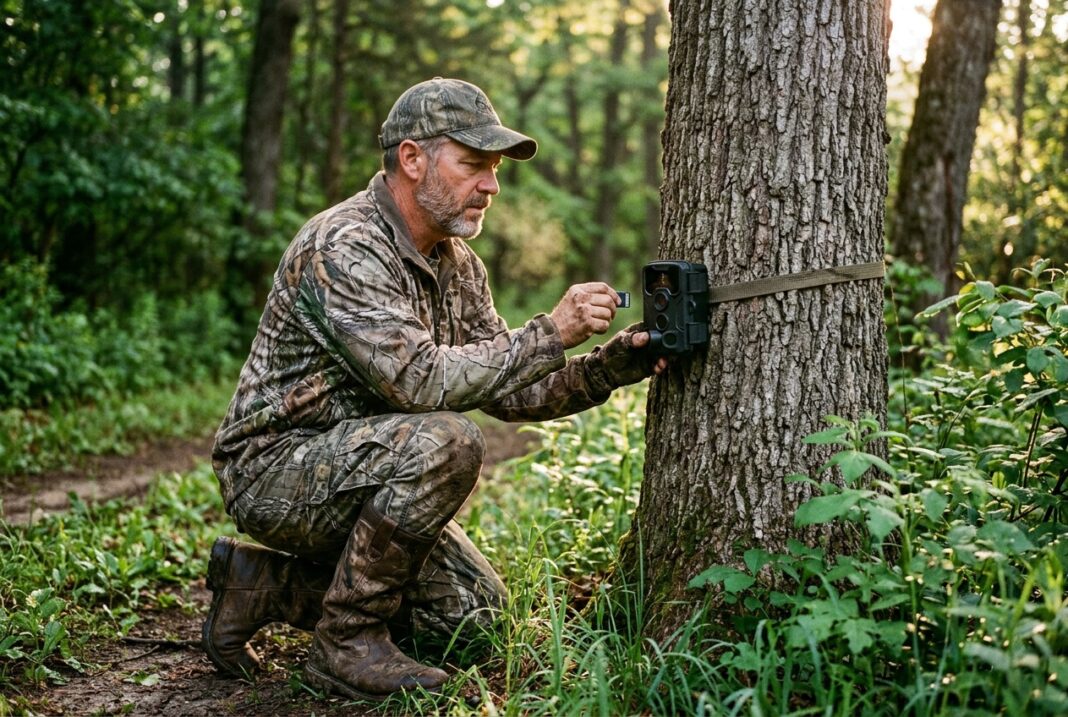
The tradeoff is data plans and battery drain, both of which eat into the savings people assume they’re getting. I run four cellular cameras and two standard SD-card units on properties in central Wisconsin, and the standard cameras still outlast the cellular ones by a wide margin on battery life. If your goal is minimizing intrusion on a bedding area through July and August, cellular wins. If you’re checking cameras on the drive to work anyway, save your money.
What’s realistic battery life on a cellular trail camera in summer heat?
Expect somewhere around three to five weeks on lithium batteries during hot months, noticeably less than the six-to-eight weeks manufacturers advertise. Heat and humidity both accelerate drain, and a camera pointed at a mineral site with heavy daytime traffic will burn through power faster than one on a low-use trail.
I learned this the hard way running a mid-tier cellular unit on a soybean field edge last July. It quit sending photos after eighteen days, batteries stone dead, because I had the detection sensitivity cranked up and the deer traffic was constant. Lithium batteries are worth the extra few dollars over alkaline, full stop. I don’t run alkaline in cellular cameras anymore, not after watching one die in under two weeks during a heat wave. The National Deer Association has published solid guidance on trail camera scouting strategy that backs up what I’ve seen in the field regarding minimizing check frequency during summer.

How do I keep SD cards and memory from failing in humid conditions?
Corrupted cards are almost always a moisture and heat problem, not a defect, and there are a few things that actually reduce the risk.
- Use name-brand industrial or high-endurance SD cards rated for temperature extremes, not the cheapest multipack you can find
- Format the card in-camera before every season, not just when it starts acting up
- Keep a silica gel packet in the camera housing, replace it every couple months through summer
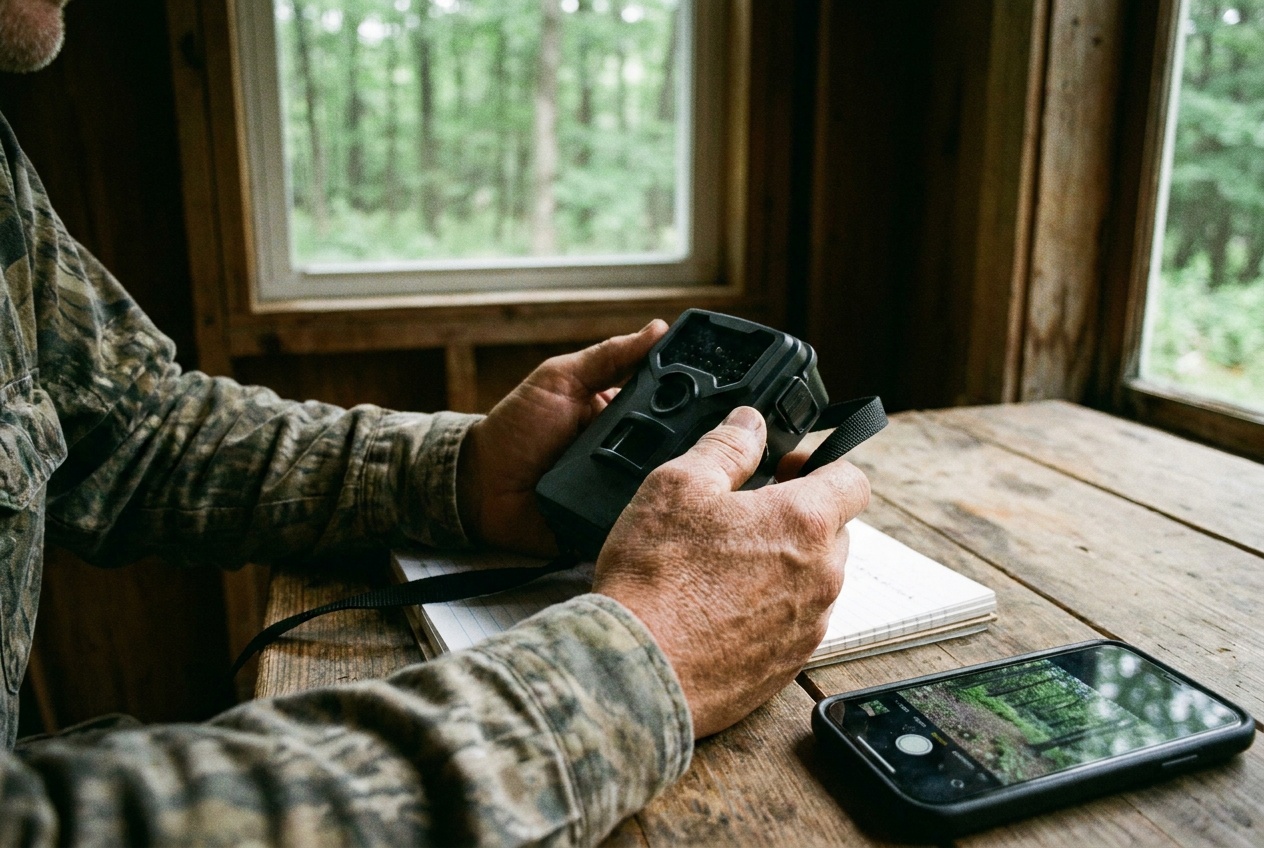
- Pull and inspect cards more often in July and August than you would in cooler months, even on cellular units, since transmission failures happen and a physical check catches problems early
Are expensive cellular plans actually necessary?
No, and this is where I think most hunters overspend without thinking it through. The mid-tier photo plans, usually somewhere around ten to fifteen dollars a month per camera, deliver full-resolution images fast enough for scouting purposes.
I tested the premium unlimited-everything plan on one camera for a full season and couldn’t tell the difference in image quality or speed compared to the standard plan on an identical camera fifty yards away. The extra money bought me nothing except a bigger bill. Most hunters overspend on camo and gadgets and underspend on the boring stuff, optics and boots, and cellular data plans fall into that same trap of paying for features you won’t use. Check current carrier coverage maps too, because a camera on a great plan is worthless if the property sits in a dead zone, which is exactly what happened to a buddy of mine on a Kansas lease last fall. The National Deer Association’s scouting resources are a decent starting point if you’re deciding where cellular coverage actually justifies the added cost.
Final Word
- Run lithium batteries in every cellular camera through summer, no exceptions
- Stick with a mid-tier data plan unless you’ve confirmed you actually need faster or higher-resolution transmission
- Buy industrial-rated SD cards and reformat them before the season starts
- Check coverage maps before buying, not after the camera’s already strapped to a tree
Go check your batteries today, not next week. If you’re still running alkaline in a cellular unit through July heat, you’re going to lose photos right when the velvet bucks are showing their patterns, and that’s a mistake I made once and won’t make again.